Secure Essential Refuse Loader Jobs & Hire Staff Today
A comprehensive guide to hiring, training, and managing refuse loader jobs for efficient waste management operations.
Post a Refuse Loader Job Now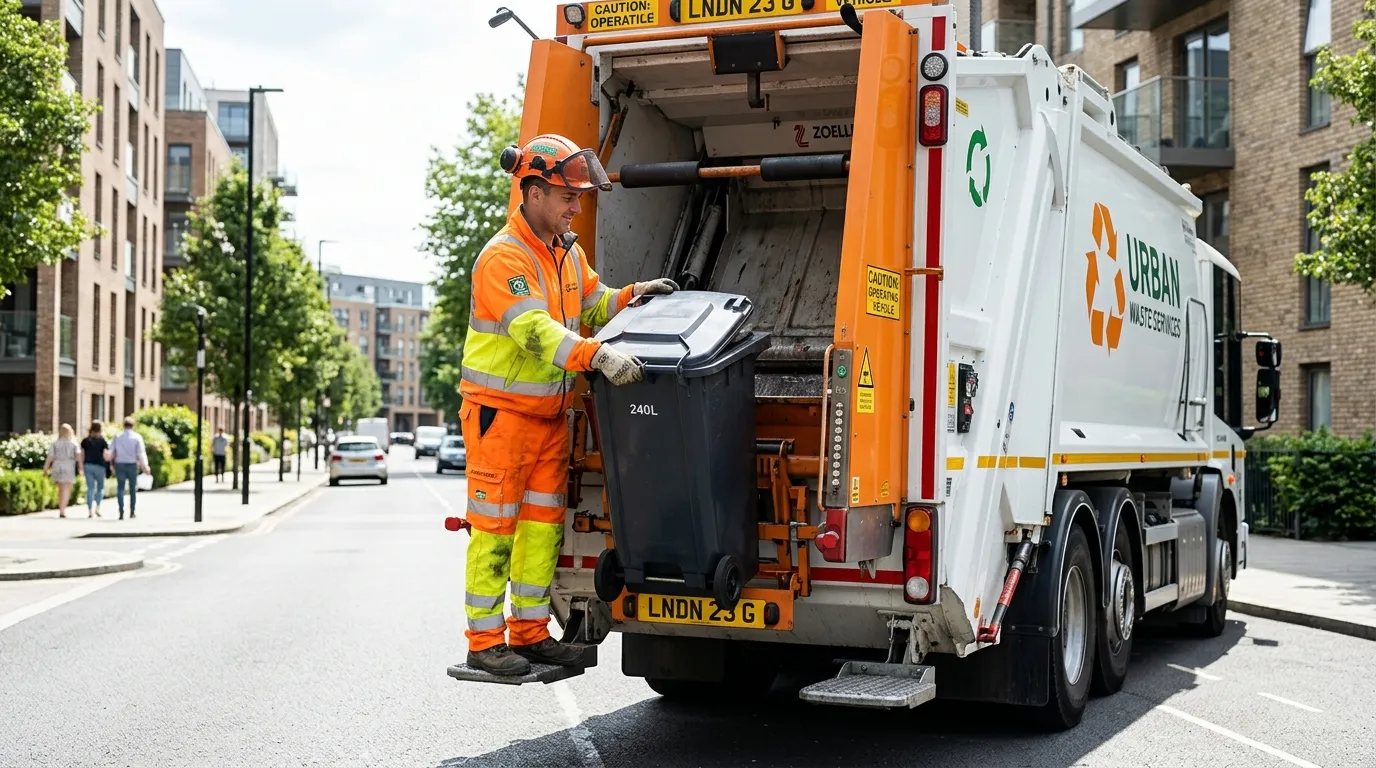
The Critical Role of Refuse Loader Jobs in Modern Waste Management
Refuse loader jobs form the backbone of municipal and commercial waste collection systems. These essential roles involve the physical loading, transportation, and sometimes sorting of waste and recyclables, ensuring public health, environmental compliance, and community cleanliness. The demand for reliable staff in these positions is perennial, but spikes during specific periods, such as the anticipated September 2025 Hiring Boom. Understanding the nuances of these roles is key for employers looking to hire business-critical professionals effectively.
This article provides a deep dive into the world of refuse loader jobs, covering everything from job descriptions and required skills to effective hiring strategies using on-demand staffing solutions and competitive compensation models. Whether you are a local council, a private waste management firm, or a large facility manager, securing qualified refuse loaders is a operational imperative.
Multi-Category Overview of Refuse Loader Positions
What Does a Refuse Loader Do?
A refuse loader, often part of a crew on a waste collection vehicle, performs physically demanding tasks. Primary duties include manually lifting and loading bins, bags, and bulky waste into the truck, operating compactors (where applicable), assisting the driver, and ensuring the route is completed efficiently. They are also responsible for adhering to strict health and safety protocols, reporting hazards, and sometimes interacting with residents. The role varies between residential curbside collection, commercial bin services, and specialized recycling or hazardous waste operations.
The work environment is predominantly outdoors, subject to weather conditions, and involves early starts. It's a role that requires resilience, teamwork, and a strong commitment to public service. Similar to the physical demands seen in Warehouse Operative Jobs in Trafford Park, refuse loader jobs demand a high level of stamina and procedural awareness.
Essential Skills & Qualifications
- Physical Fitness & Stamina: Ability to handle repetitive lifting, often of heavy or awkward items, for extended periods.
- Health & Safety Consciousness: Mandatory understanding of COSHH (Control of Substances Hazardous to Health), manual handling techniques, and traffic safety. Many employers require a basic safety certificate.
- Teamwork & Communication: Clear communication with driver and crew is vital for safe and efficient operation.
- Reliability & Punctuality: Routes are time-critical. Unreliable staff can cause significant service disruption.
- Basic Literacy & Numeracy: For understanding route sheets, vehicle checks, and sometimes customer documentation.
- Driver Licenses (Optional but valuable): Some roles may require a Category C (LGV) license to drive the collection vehicle, similar to requirements for Forklift Driver Recruitment.
Effective Hiring & Staffing Models
Given the physical nature and sometimes seasonal demand peaks, flexible staffing models are highly effective. Permanent refuse loader jobs provide stability, but temporary or contract roles are crucial for covering holidays, illness, or increased volume periods, such as post-holiday clean-ups.
Utilizing a specialized construction staffing agency that also handles logistics roles can be a smart move, as they understand the similar safety and physical demands. The principles of on-demand staffing allow managers to scale their crew size rapidly in response to operational needs, avoiding the costs of under or overstaffing.
A streamlined hiring process is key. Post your refuse loader job vacancy clearly on our platform to attract candidates quickly. Start your hiring process here.
Future Trends & Industry Evolution
The waste management industry is evolving with technology. While the core physical job of loading remains, refuse loaders may increasingly interact with smart bins, RFID tracking systems, and onboard vehicle data terminals. Training in basic digital literacy will become more important.
Furthermore, the push towards circular economies and increased recycling complexity means refuse loader jobs may require more nuanced sorting knowledge at the point of collection. This parallels the need for specialized knowledge in other fields, such as the expertise required for an AI Implementation Consultant. Investing in ongoing training for your refuse collection staff will future-proof your operations.
Key Benefits & Features of Professional Refuse Loader Staffing
Operational Reliability
Professional refuse loaders ensure consistent service delivery. Missed collections due to staff shortages can lead to customer complaints, environmental issues, and financial penalties. A reliable crew is the foundation of any waste management contract.
Health & Safety Compliance
Properly trained loaders reduce accident rates. They follow manual handling procedures, wear correct PPE, and understand vehicle safety, protecting themselves, the public, and your company from liability and costly incidents.
Cost-Efficiency & Flexibility
Using a mix of permanent and temporary refuse loader jobs allows for optimal labor cost management. Scale up during peak seasons like autumn clean-ups or holiday periods, and scale down during quieter times, similar to strategies used in temporary education staffing.
Pro-Tip: Enhancing Refuse Loader Retention
Invest in your crew's well-being and career path. Offer clear progression opportunities (e.g., to driver, supervisor, or trainer roles), provide quality PPE beyond the minimum, and recognize good performance. A positive work culture reduces turnover and attracts higher-quality candidates to your refuse loader jobs. Consider implementing a 'Warehouse Trainer' style program for ongoing skill development, as highlighted in our resource on Warehouse Trainer roles.
Detailed Job Description & Daily Responsibilities
A typical day for a refuse loader starts early, often before 6 AM. The crew meets at the depot, receives their route sheet and vehicle assignment, and conducts a pre-start check of the collection vehicle (checking lights, brakes, compactor mechanism). Safety briefing is paramount.
- Loading Operations: Physically collect bins from curbside, commercial premises, or communal areas. Empty contents into the vehicle's hopper or compactor.
- Sorting & Segregation: In some operations, visually check for incorrect waste types (e.g., recycling contamination) and separate items.
- Vehicle Assistance: Help the driver with navigation, traffic management, and accessing difficult properties.
- Customer Interaction: Provide polite, professional responses to resident queries or complaints about missed collections.
- Post-Collection Duties: Clean the vehicle cab and body, report any vehicle defects, and secure the depot area.
The role's physical similarity to other logistics positions means recruitment strategies can overlap. For instance, the fast hiring processes used for Warehouse Jobs Cardiff | Immediate Start & Flexible Roles can be adapted for refuse loader recruitment during urgent staffing shortages.
Salary, Compensation & Career Progression
Compensation for refuse loader jobs varies by region, employer (public vs. private), and contract type (permanent vs. temporary). Entry-level positions typically start at or slightly above minimum wage, but can increase significantly with experience, shift allowances (for early starts), and overtime payments for extended routes.
Career progression is tangible. A diligent refuse loader can advance to a Driver (requiring LGV license), then to a Route Supervisor, Depot Manager, or even into waste management planning and logistics roles. Investing in training, such as funded license acquisition, is a powerful retention tool.
For employers, understanding competitive compensation is crucial to attract talent in a competitive labor market, much like the strategies needed for Recruitment Jobs London | Top Talent Sourcing Roles Today. Offering benefits like pension schemes, holiday pay, and safety bonuses can make your refuse loader jobs stand out.
Recruitment Channels & Best Practices
Finding candidates for refuse loader jobs requires targeting the right channels:
- Specialized Job Boards & Agencies: Posting on platforms dedicated to logistics, driving, and manual labor roles yields focused applicants.
- Local Advertising: Many successful loaders live locally to the depot. Use local newspapers, community centers, and even social media groups.
- Word-of-Mouth & Referrals: Current crew members are excellent recruiters. Implement a referral bonus scheme.
- Government Schemes: Partner with programs aimed at getting people into work, such as apprenticeship or back-to-work initiatives.
The hiring process should be swift but thorough. Conduct practical assessments of lifting ability and safety awareness, alongside standard interviews. For urgent needs, the model used for Immediate Cleaning Jobs in Wolverhampton | Start Today demonstrates how to fast-track candidates without compromising on essential checks.
Legal, Safety & Regulatory Considerations
Employers of refuse loaders must navigate a complex web of regulations:
- Health & Safety at Work Act: Mandates a safe working environment, proper risk assessments for manual handling, and adequate PPE.
- Waste Carrier Licenses: The company must hold appropriate licenses, but crew members must be aware of what can and cannot be collected.
- Driver Hours Regulations (if driving): For loaders who also drive, tachograph rules and hours limits apply.
- Employment Law: Clear contracts, fair pay, and correct classification (employee vs. worker) are essential to avoid disputes.
Non-compliance can result in fines, operational shutdowns, and reputational damage. Ensuring your refuse loader jobs are set up legally from the start is non-negotiable. For complex employment structures, consulting with experts, similar to those involved in Interim Finance Director And CFO Placement, can provide valuable guidance.
Frequently Asked Questions About Refuse Loader Jobs
The most common pattern is an early morning start (between 5-7 AM) to complete routes before peak traffic. Shifts typically last 8-10 hours, often finishing by mid-afternoon. Some operations use twilight or evening shifts for commercial collections. Weekend work is common, especially for contract cleaning or event waste clearance. Flexibility is often required, similar to roles in Find Temporary Jobs in Milton Keynes | Immediate Start.
Not always. Many employers provide on-the-job training for entry-level refuse loader jobs. The key attributes are physical capability, reliability, and a willingness to learn safety procedures. However, experience in similar manual handling roles (warehouse, construction, logistics) is a significant advantage and may lead to a higher starting wage. Agencies specializing in Construction Recruitment Agency in Leeds often have crossover candidates suitable for waste collection.
A refuse loader can progress to a Refuse Driver (after obtaining the necessary Category C license), then to a Route Supervisor or Team Leader. Further progression includes Depot Manager, Logistics Planner, or Health & Safety Officer within the waste management company. Some move into related fields like recycling facility management or environmental consultancy. Continuous training is key, much like the career development paths seen in professional sectors like Permanent Finance Recruitment.
Offer competitive wages and clear overtime rates. Provide excellent, comfortable PPE (boots, gloves, high-vis clothing). Implement a recognition or bonus scheme for safe, efficient work. Offer clear progression pathways and training opportunities (e.g., funding driver licenses). Create a positive team culture with regular communication. Utilize efficient hiring platforms to reduce vacancy times, ensuring you secure candidates quickly, as demonstrated in our service for Hire Reliable Construction Site Cleaners.
Key challenges include: High Turnover: Due to the physical nature of the work. Seasonal Demand Fluctuations: Need for extra staff during autumn, post-holiday periods. Safety Risks: Constant exposure to moving vehicles, heavy items, and potential hazardous waste. Recruitment Speed: Need to fill vacancies quickly to maintain service levels. Regulatory Changes: Keeping up with evolving waste and employment laws. Partnering with a flexible staffing provider can mitigate many of these, similar to solutions offered for DevOps Staffing in tech sectors.
Ready to Hire Your Refuse Loader Team?
Don't let staffing shortages disrupt your waste management services. Whether you need permanent crew members for long-term stability or temporary refuse loader jobs to cover peak seasons and absences, our platform connects you with qualified, reliable candidates quickly and efficiently.
Streamline your hiring process and secure the essential staff you need to keep operations running smoothly.