Find & Fill Top Medical Office Receptionist Jobs: Your Complete Hiring & Career Guide
Discover expert strategies to hire the best front-desk talent or launch a rewarding career in healthcare administration. Actionable insights for employers and job seekers.
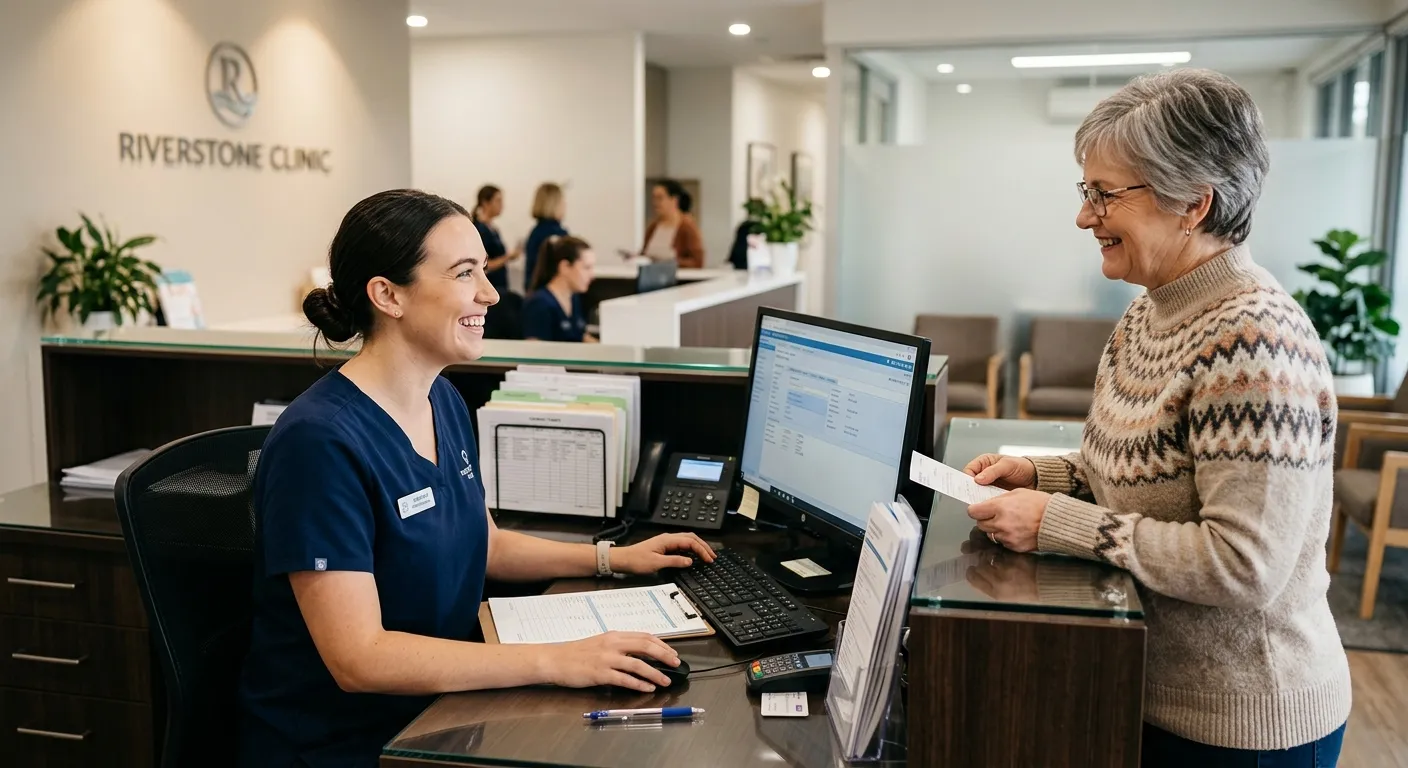
Medical Office Receptionist Jobs form the critical first point of contact in any healthcare setting. These professionals are the heartbeat of a clinic, managing patient flow, handling sensitive information, and ensuring operational smoothness. For healthcare providers, hiring the right receptionist is not just an administrative task—it's a strategic decision impacting patient satisfaction, staff efficiency, and overall practice reputation. Conversely, for job seekers, this role offers a stable, meaningful career path into the vital healthcare sector with opportunities for growth. Whether you're a practice manager looking to hire business-critical professionals or an individual seeking a frontline healthcare role, understanding the nuances of this position is key to success.
The demand for skilled medical receptionists is consistently high, mirroring the resilience of the healthcare industry. Similar to the precision needed in construction staffing or the specialized knowledge required for an Interim Finance Director and CFO Placement, finding the perfect fit requires a targeted approach. This comprehensive guide delves into everything from core responsibilities and essential skills to competitive salaries and innovative hiring strategies, providing a definitive resource for navigating the Medical Office Receptionist Jobs landscape in today's market.
Navigating Medical Receptionist Roles: A Multi-Category Overview
Use the tabs below to explore key perspectives for employers and job seekers.
Strategic Hiring for Healthcare Front Desks
Filling Medical Office Receptionist Jobs requires a blend of speed and precision. A vacant front desk can lead to patient complaints, overburdened clinical staff, and scheduling chaos. The cost of a bad hire in this patient-facing role is significant, impacting your practice's reputation directly.
- Define the Hybrid Role: Modern medical receptionists often juggle traditional scheduling with basic telemedicine coordination, patient portal management, and digital record checks. Your job description must reflect this.
- Assess for Soft Skills & Composure: Beyond software knowledge, prioritize empathy, communication under pressure, and problem-solving. Role-play scenarios involving distressed patients or double-bookings during interviews.
- Leverage Specialized Recruitment: Partnering with a niche agency, much like you would for DevOps staffing or temporary education staffing, ensures access to pre-vetted candidates who understand healthcare compliance (e.g., GDPR, HIPAA awareness in the UK context).
- Consider Flexible Models: For seasonal flu clinics or covering unexpected absences, on-demand staffing solutions can provide immediate, qualified receptionist support without long-term commitment.
Pro-Tip for Employers:
Always include a"working interview" or paid trial shift. Observing a candidate handle a simulated busy period at your front desk is the most reliable predictor of on-the-job performance and team fit.
Why Medical Receptionists Are Indispensable
Patient Experience & First Impressions
They set the tone for the entire clinical visit. A calm, organized, and empathetic receptionist can alleviate patient anxiety, build trust, and foster loyalty, directly influencing the practice's reputation and patient retention rates.
Operational Efficiency & Flow
From managing complex appointment calendars and processing paperwork to coordinating with clinical teams, they ensure the practice runs smoothly. Their efficiency prevents bottlenecks, maximizes clinician time, and reduces administrative backlog.
Compliance & Data Security Gatekeeping
As handlers of sensitive Personal Health Information (PHI), they are the first line of defense in data protection. A trained receptionist ensures compliance with regulations like GDPR, maintains confidentiality, and manages consent forms correctly, mitigating legal risk.
The Anatomy of a Top-Tier Medical Receptionist: Skills, Salary, and Hiring Blueprint
Core Skills & Competencies Checklist
Identifying the right candidate goes beyond a polished CV. Look for a demonstrable blend of hard and soft skills.
- Technical Proficiency: Practice Management Software (PMS), Microsoft Office Suite, telephone systems, scanning/printing, basic IT troubleshooting.
- Communication Mastery: Clear verbal/written communication, active listening, professional and compassionate phone manner, ability to explain procedures simply.
- Organizational Prowess: Meticulous attention to detail, ability to multitask and prioritize in a fast-paced environment, excellent time management.
- Emotional Intelligence & Discretion: Empathy, patience, ability to remain calm under stress, utmost respect for patient confidentiality and sensitive situations.
- Teamwork & Initiative: Collaborative spirit, proactive problem-solving, willingness to support colleagues and take on tasks beyond the core job description.
Salary Insights & Hiring Process Timeline
Understanding the market rate and having a structured hiring plan is crucial for both attracting talent and managing expectations.
UK Salary Range (2024)
Entry-level: £18,000 - £22,000. Experienced (3-5 years): £22,000 - £26,000. Senior/Specialist (Large practice/management): £26,000 - £32,000+. Salaries vary by location (London weighting applies), practice size, and specialty.
Optimized Hiring Timeline
- Week 1: Finalize JD, post across job boards & agency partners.
- Week 2: Initial CV screening and phone interviews.
- Week 3: In-person interviews (include practical test).
- Week 4: Reference & background checks, offer extended.
- Week 5-6: Onboarding and training commencement.
Accelerated Option: Using a specialized recruitment service with a pre-qualified talent pool can compress this timeline to 2-3 weeks, similar to filling urgent roles like an Urgent Data Entry Clerk.
Frequently Asked Questions: Medical Office Receptionist Jobs
Get quick answers to the most common questions from employers and job seekers.
The greatest challenge is finding a candidate who perfectly balances technical competency with exceptional interpersonal skills. Many applicants are strong on one side but lack the other. The role demands someone who can efficiently manage a digital check-in system one moment and calmly console an anxious patient the next. This is why behavioral and situational interview questions are non-negotiable. Partnering with an agency that understands this dual requirement, much like those specializing in hotel receptionists (another high-pressure front-desk role), can significantly improve candidate quality.
Absolutely. Many successful medical receptionists transition from retail, hospitality, general office administration, or call center roles. Employers highly value transferable skills: customer service, communication, organization, and the ability to work under pressure. Your willingness to learn medical terminology, specific software, and protocols is key. Highlight your soft skills and adaptability on your CV and in interviews. Consider a short course in medical administration to bolster your application and show genuine commitment, a strategy also beneficial for roles like teaching assistants entering a new field.
While not a clinical skill, basic facility awareness is a valuable asset. A receptionist is often the first person a patient or visitor speaks to about non-medical issues. Knowing how to report a malfunctioning air conditioning unit, a leak, or a flickering light—essentially initiating a request for a Handyman Service—contributes to a safe and comfortable environment. It demonstrates proactive problem-solving and ensures minor issues are logged before they become major disruptions. In larger practices, they might be the point of contact for coordinating with external maintenance vendors, similar to how a distribution supervisor manages facility logistics.
A blended approach is often most effective. A core permanent team provides stability and deep knowledge of your practice. Permanent recruitment is ideal for your lead receptionist or key roles. However, temporary staff are invaluable for covering holidays, maternity leave, sudden illness, or during peak periods (e.g., flu season). This model offers flexibility and prevents burnout in your core team. It allows you to"try before you buy" on a temp-to-perm basis. The strategy mirrors approaches in other industries, such as using agency staff for warehouse operative jobs to manage seasonal spikes.
Ready to Transform Your Healthcare Front Desk?
Whether you're looking to hire a standout medical receptionist or find your perfect role in healthcare administration, taking the next step is simple. Expert help is just one click away.
Need staffing solutions for other critical roles? Explore our services for broader healthcare staffing, software developers, or construction talent.
Case Study: Transforming a Clinic's Front Desk Operations
A real-world example of how strategic hiring and process refinement solved critical challenges for a mid-sized GP practice.
The Challenge: High Turnover & Patient Complaints
"Riverstone Medical Centre," a practice with 12,000 patients, faced a crisis. Their front desk had a 70% annual turnover rate for receptionists. Patient satisfaction scores for"front desk experience" plummeted to 58%. The existing staff were overwhelmed, leading to long phone wait times, double-booked appointments, and a tense atmosphere.
- Root Cause Analysis: The job description was outdated, focusing solely on typing speed and phone answering. It failed to mention emotional labor or digital system management.
- Training Gap: New hires received only one day of shadowing, with no formal training on de-escalation techniques or the practice's new patient portal.
- Compensation: Salaries were 15% below the local market rate for similar healthcare roles, attracting underqualified candidates.
The practice manager realized the role was treated as purely clerical, not as the pivotal patient-facing position it truly is.
The Solution & Results
The practice partnered with a healthcare-specialist recruiter and implemented a four-point plan:
- Role Redefinition: Created a new title:"Patient Care Coordinator." The job description emphasized empathy, tech adaptability, and problem-solving. Salary was adjusted to the 75th percentile for the area.
- Structured Hiring: Introduced a paid, half-day"working simulation" for short-listed candidates, testing them on mock patient scenarios and software use.
- Investment in Onboarding: Developed a two-week, phased training program covering clinical software, compliance, service excellence, and shadowing clinical staff to understand workflow pressures.
- Career Pathing: Established a clear progression ladder to"Senior Coordinator" and"Administrative Team Lead," with associated pay rises and responsibilities.
Results After 12 Months: Turnover reduced to 10%. Patient satisfaction scores for the front desk jumped to 94%. The practice reported a 20% decrease in administrative errors and a noticeable improvement in staff morale, with the reception team now actively contributing to process improvement meetings.
Essential Technology Stack for the Modern Medical Receptionist
Beyond basic computer skills, proficiency with specific platforms is now a fundamental requirement. Here’s a breakdown of the critical software ecosystem.
Practice Management Systems (PMS)
Core Functions: Appointment scheduling, patient registration, billing integration, clinical note viewing (read-only).
- UK Common Platforms: EMIS Web, SystmOne, Vision.
- Key Skill: Mastery of appointment book views, understanding of clinician session templates, and ability to generate simple reports (e.g., DNA lists).
- Emerging Trend: Integration with external apps for online booking (e.g., DoctorLink, eConsult), requiring receptionists to manage and reconcile these digital flows.
Patient Communication & Engagement Tools
Core Functions: Automated reminders, bulk messaging, secure video consultation links, patient feedback collection.
- Common Tools: Accurx, MJOG, NHS App ecosystem.
- Key Skill: Ability to personalize automated messages, troubleshoot patient access issues, and escalate technical problems appropriately.
- Critical Nuance: Knowing when a digital message is sufficient vs. when a sensitive issue requires a direct, empathetic phone call from a human.
Compliance & Data Security Protocols
Core Functions: Secure data handling, audit trail maintenance, consent management, incident reporting.
- Key Platforms: Internal practice protocols, NHS Data Security & Protection Toolkit requirements, secure email systems (e.g., Egress).
- Key Skill: Rigorous adherence to processes: verifying patient identity before disclosing information, knowing exactly what data can be emailed vs. posted, and logging all data accesses accurately.
- Real-World Test: A top candidate can articulate the steps they would take if they accidentally emailed a patient's record to the wrong address.
Candidates who demonstrate curiosity and aptitude for learning new digital systems—and who understand the"why" behind the security protocols—will thrive. This technological fluency is as specialized as the knowledge required for roles in IT support within a clinical environment.
Navigating Regional Variations in the UK Market
Salaries, demand, and candidate expectations can differ significantly from Glasgow to Gloucester, and understanding these nuances is key to a successful hire or job search.
London & South East
Market Dynamic: Highest salaries due to cost of living, but also highest competition for roles in top private practices and NHS Trusts.
- Salary Premium: Typically 15-25% above national average.
- Key Differentiator: Experience with a diverse, multilingual patient population and high-volume, fast-paced polyclinics is highly valued.
- Candidate Expectation: Strong emphasis on career progression opportunities and benefits packages.
Major Cities (Manchester, Birmingham, Leeds)
Market Dynamic: Robust demand across large NHS practices, private hospitals, and specialist treatment centers. Strong candidate pool.
- Salary Trend: Competitive, aligning closely with national averages for experienced staff.
- Key Differentiator: Familiarity with specific regional PMS software preferences (e.g., high SystmOne usage in the North).
- Candidate Expectation: Good work-life balance and accessible commute times are significant factors.
Rural & Coastal Areas
Market Dynamic: Often candidate-short markets. Roles may require broader responsibilities due to smaller team sizes.
- Salary Trend: Can be slightly below average, but often offset by lower living costs.
- Key Differentiator: Adaptability is crucial. A receptionist might handle everything from coordinating community nurse visits to managing dispensary queries.
- Candidate Expectation: Deep community integration and a strong sense of purpose are common motivators.
Scotland, Wales, Northern Ireland
Market Dynamic: Governed by devolved NHS bodies, leading to differences in core software (e.g., widespread use of GPASS in Scotland historically) and specific national initiatives.
- Salary Trend: Public sector pay bands apply for NHS roles, providing transparency.
- Key Differentiator: Knowledge of nation-specific policies, referral pathways, and digital health strategies (e.g., NHS Wales Informatics Service).
- Candidate Expectation: Understanding of the distinct health service structure is a prerequisite for many employers.
Actionable Insight: For employers, tailoring your job advert and salary to your specific region is essential. For job seekers, researching the local health economy—such as knowing if your area is dominated by a large NHS Foundation Trust or has a growing private sector—can give you a strategic edge in interviews, similar to how researching a local construction company's projects would benefit a site manager candidate.