
How Much Do Train Drivers Make? A 2026 Salary & Career Guide
Explore the competitive salaries, factors influencing pay, and how to launch your career in this high-demand, skilled profession.
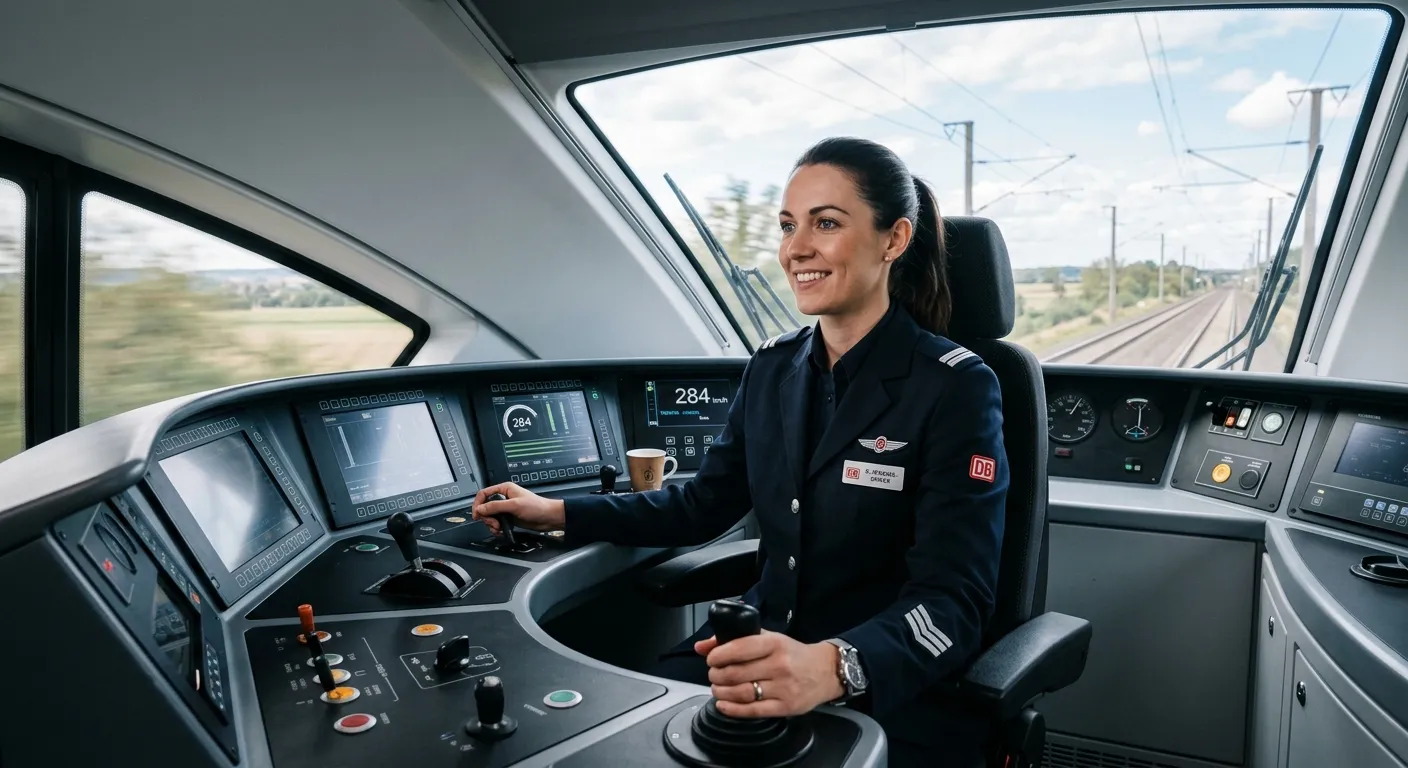
The role of a train driver, or locomotive engineer, is a critical and highly skilled position within the transportation and logistics sector. It offers a unique blend of responsibility, technical challenge, and financial reward. For businesses and temporary education staffing agencies looking to understand the market, or for individuals considering this career path, a clear picture of earnings is essential. This comprehensive guide breaks down the factors that determine how much train drivers make, providing actionable insights for both job seekers and employers seeking to hire business-critical professionals.
Train Driver Salary: A Multi-Category Overview
Current UK Salary Benchmarks
Train driver salaries in the UK are among the highest in the transport sector. Earnings are influenced by the operator, route complexity, and experience.
- Entry-Level/Newly Qualified: Typically starts between £35,000 - £45,000 per annum.
- Experienced Drivers: Salaries commonly range from £50,000 to £65,000.
- Senior Drivers & Specialists: Those on high-speed routes (e.g., Eurostar) or in instructor roles can earn £70,000+.
These figures often include benefits like generous pension schemes, travel concessions, and overtime opportunities, significantly boosting total compensation.
What Influences a Train Driver's Pay?
Understanding the variables behind the salary is key for negotiation and career planning.
- Employer & Franchise: Different train operating companies (TOCs) have varying pay scales and union agreements.
- Route & Service Type: Driving high-speed intercity trains generally commands a higher salary than local commuter services.
- Experience & Seniority: Pay scales often increase with years of service.
- Shift Patterns & Overtime: Working unsocial hours, weekends, and bank holidays attracts additional pay and allowances.
From Trainee to Senior Driver
A career as a train driver offers clear progression, much like roles in construction staffing or DevOps staffing, where certification and experience directly impact earnings.
- Trainee Driver: Paid training period, often at a slightly lower rate.
- Qualified Driver: Full salary upon passing rigorous assessments and licensing.
- Main Line Driver: After gaining experience on specific routes.
- Driver Instructor/Manager: Moving into training or management roles for a significant pay rise.
Key Benefits & Market Insights
Beyond Base Salary
Total compensation often includes exceptional pension contributions (some of the best in the UK), free or heavily discounted travel for you and your family, and performance-related bonuses. This comprehensive package makes the role highly attractive in the competitive transport employee temp staffing market.
High Demand & Job Security
With ongoing infrastructure projects and an aging workforce, skilled train drivers are in persistent demand. This demand translates to strong job security and bargaining power, similar to trends seen in healthcare and specialized tech roles. Recruitment for these positions is a strategic priority for operators.
Rigorous Entry Path
The high salary reflects the significant responsibility and intensive training required. Candidates must pass stringent medical, psychological, and safety tests, followed by a lengthy training programme. This process ensures only the most capable individuals are entrusted with passenger safety, justifying the premium pay scale.
Pro-Tip for Employers & Agencies
When sourcing train driver talent, either for permanent roles or critical interim cover, understanding the total reward package is as important as the base salary. Highlighting pension benefits, travel perks, and shift allowances will make your vacancy stand out. For urgent transport staffing needs, leveraging a specialized agency with sector expertise—much like you would for an Interim Finance Director or Warehouse Trainer—is crucial for finding qualified candidates swiftly.
The Recruitment Landscape for Train Drivers
Filling train driver roles requires a targeted approach. It's not just about how much train drivers make, but also about finding individuals with the right aptitude, attitude, and resilience. Specialized recruitment partners who understand the sector's regulatory and safety requirements can drastically reduce time-to-hire. This is similar to the precision needed when hiring for forklift driver roles in logistics or urgent dispatch operatives, where certification and safety are paramount.
For candidates, the application process is competitive. Demonstrating a strong work ethic, excellent concentration, and a spotless safety record is essential. Preparing thoroughly for the multi-stage assessment process is the key to success.
Frequently Asked Questions
Yes, there can be. Passenger drivers for major franchised operators often have strong union representation and benefits packages. Freight drivers may see higher base salaries in some cases to compensate for more irregular shift patterns and potentially fewer"perks" like free passenger travel. Both are highly paid skilled professions.
The training pathway is intensive and typically takes between 12 to 24 months from starting as a trainee to becoming a fully qualified driver. This includes classroom learning, extensive simulator training, and hundreds of hours of supervised driving on real routes. The investment in time is significant, but it leads to a rewarding and well-compensated career.
Absolutely. Specialized recruitment and employee temp staffing agencies often have dedicated transport and logistics divisions that work directly with train operating companies to fill both permanent and temporary contracts. They can provide guidance on application preparation and connect you with opportunities that may not be widely advertised, similar to how agencies operate in sectors like warehouse operations or administrative support.