
How Much Do Train Drivers Make? A 2026 Salary & Career Guide
Explore comprehensive salary insights, earning factors, and how to hire or become a qualified train driver in today's competitive market.
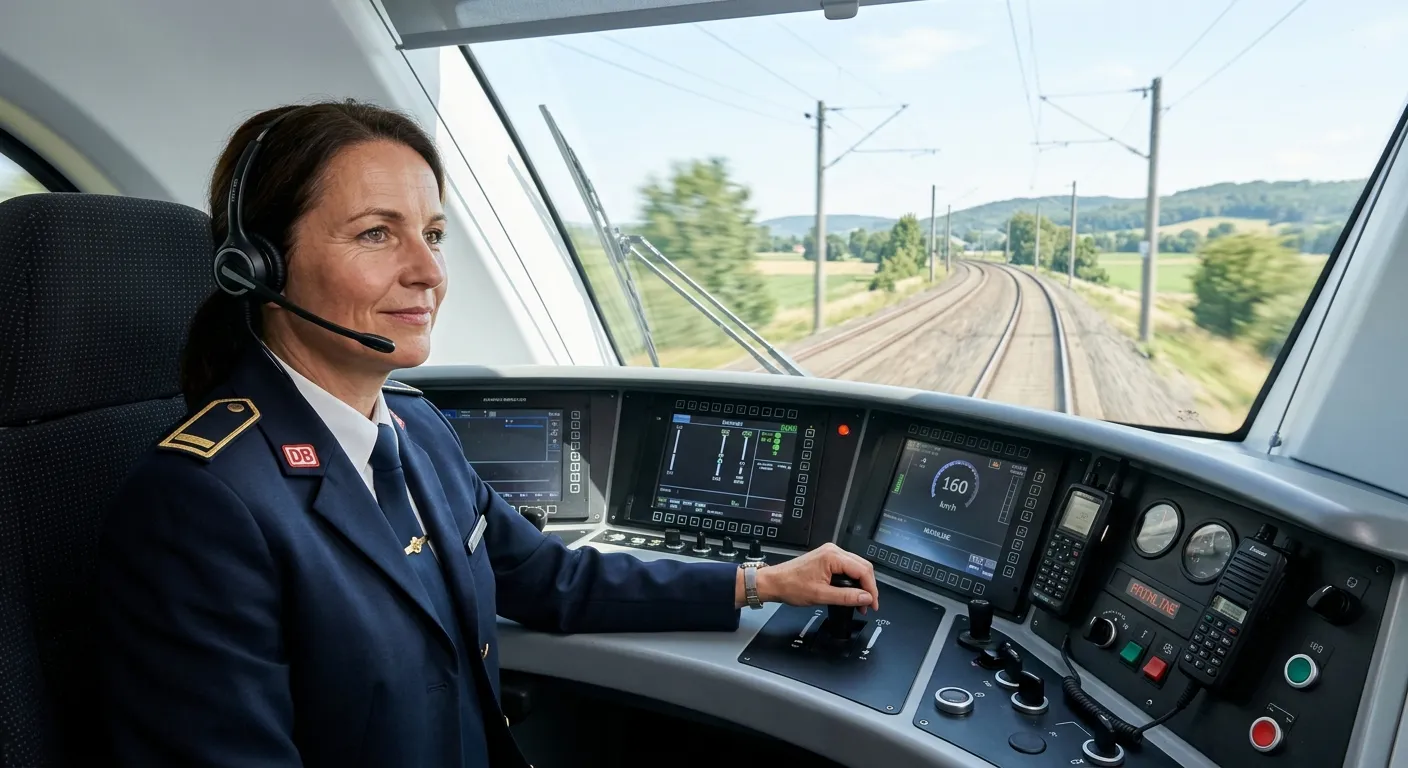
The question"How Much Do Train Drivers Make?" is central for both job seekers exploring a stable, skilled career and for employers in the transport and logistics sector looking to hire business-critical professionals. Train driving is a highly specialized role requiring significant training and responsibility, and compensation reflects this. This guide provides a detailed breakdown of train driver salaries, influencing factors, and the hiring landscape, offering actionable insights for candidates and recruiters alike.
Pro-Tip for Recruiters:
Finding niche operational talent like train drivers often requires looking beyond standard job boards. Utilizing advanced Craigslist Search Operators can help you uncover local, experienced candidates who may not be active on larger platforms, complementing a broader strategy that includes specialized recruitment services.
Train Driver Salary: A Multi-Region Overview
In the United Kingdom, train driver salaries are among the highest in the transport sector. Entry-level drivers after qualification can expect salaries starting from £35,000 to £40,000. With experience, this figure rises significantly, with the average salary for a mainline train driver typically ranging between £50,000 and £65,000 per annum. Senior drivers on long-distance or high-speed routes (like those operated by Avanti West Coast or LNER) can earn upwards of £70,000. Overtime, unsocial hours, and location-based allowances (e.g., London weighting) can substantially increase total compensation.
- Employer & Franchise: Salaries vary between different train operating companies (TOCs) and freight companies.
- Experience & Seniority: Pay scales are often clearly defined, increasing with years of service.
- Route & Service Type: Driving high-speed intercity trains generally commands a higher salary than local commuter services.
- Shift Patterns & Overtime: Night, weekend, and holiday work include premium pay rates.
- Location: Drivers based in high-cost areas like London and the South East receive additional allowances.
For businesses in transport and logistics, securing a qualified train driver is a high-stakes hire similar to finding an Interim Finance Director—it requires precision and sector expertise. The recruitment process is lengthy, involving rigorous psychometric testing, medical exams, and extensive safety training. Partnering with a specialist agency that understands these complexities is crucial. This need for reliable, skilled personnel mirrors demands in other sectors, such as when businesses need on-demand staffing for warehouses or seek a Forklift Driver Recruitment Agency for logistics hubs.
The Career Path & Hiring Ecosystem
1. Training & Qualification
Becoming a train driver requires a dedicated 12-18 month training programme, including classroom learning, simulator training, and extensive hands-on mentoring. Candidates must pass strict medical and safety assessments.
2. Long-Term Career Stability
The role offers exceptional job security, a clear salary progression ladder, and strong pension schemes. It's a career, not just a job, with low turnover rates once qualified.
3. Strategic Recruitment
For TOCs, filling these roles requires a proactive talent pipeline. Strategies include apprenticeship schemes, partnerships with training bodies, and leveraging specialized recruiters who can also support with temporary education staffing or construction staffing for other business needs.
Beyond the Salary: Benefits & Market Context
Total compensation often includes excellent benefits packages: generous holiday allowances (often 35+ days), defined-benefit pensions, free or heavily discounted travel for the driver and family, and continuous professional development. This makes the total reward package highly competitive.
The stability of this career path contrasts with more fluctuating demand in other fields. For instance, while train driver roles are consistently in demand, sectors like hospitality or retail might need immediate-start kitchen managers or businesses may seek top staffing agencies in India for tech talent. Each requires a tailored hiring approach.
Industry Insight Video
Understanding different employment models is key in transport and logistics. This video explores how flexible staffing solutions work in high-demand operational environments.
Frequently Asked Questions (FAQs)
The primary factor is the train operating company (TOC) and the specific franchise. National collective bargaining agreements set strong baselines, but individual TOCs offer different salary scales, bonus structures, and allowances. Experience and route type (e.g., passenger vs. freight, high-speed vs. regional) are the other major determinants.
Monitor the careers pages of major train operating companies (like Network Rail, GWR, Northern) and freight companies. Additionally, using precise Craigslist Search Operators (e.g.,"train driver""trainee" site:craigslist.org) can sometimes uncover local opportunities. For a wider net, register with recruitment agencies that specialize in transport and logistics roles.
Yes, demand remains steady. An aging workforce nearing retirement creates a consistent need for new drivers. Furthermore, infrastructure projects and new rail lines (like HS2) will create additional roles. This stable demand is similar to perennial needs in other sectors, such as for warehouse trainers or DevOps staffing in the tech industry, though the recruitment cycles differ greatly.
Ready to Drive Your Recruitment or Career Forward?
Whether you're a transport business seeking to hire a skilled train driver or a professional looking to step into this rewarding career, having the right partner is essential. Access a network of qualified candidates and expert hiring strategies.
Hire a Train Driver TodayOr explore our comprehensive Find Jobs portal for career opportunities across all sectors.