
Train Driver Salaries Revealed: How Much Do Train Drivers Make in 2026?
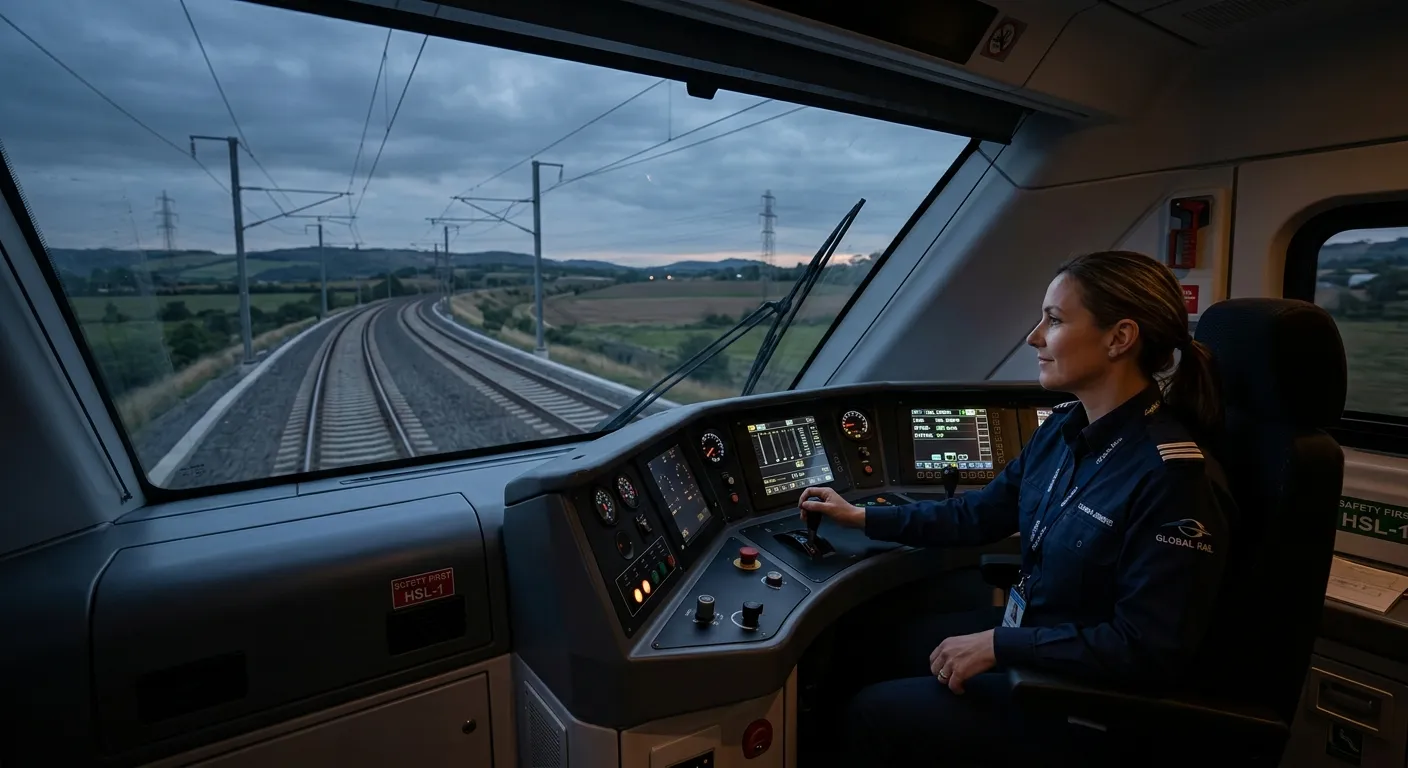
A detailed breakdown of salary ranges, influencing factors, and career pathways for aspiring and current locomotive engineers in the UK.
The role of a train driver, or locomotive engineer, is a critical one within the UK's transport infrastructure, combining significant responsibility with attractive remuneration. If you're asking,"How much do train drivers make?" you've come to the right place. This comprehensive guide will break down the salary expectations, from starting wages for trainees to the top earnings for experienced drivers on complex routes, and explore the factors that influence this pay scale.
Train Driver Compensation: A Multi-Category Overview
Trainee Drivers
While undergoing intensive training, which includes rules, traction, and safety procedures, salaries typically start between £24,000 and £30,000 per annum.
Qualified Drivers
Once fully qualified and handling routes independently, the base salary sees a significant jump. The national average for a qualified train driver in the UK sits comfortably between £50,000 and £65,000.
Senior & Specialist Drivers
Drivers with extensive experience, working on high-speed lines (like HS1), complex freight operations, or in London can command higher wages, often exceeding £70,000 and potentially reaching up to £80,000+ with overtime.
Pro Tip:
Just as location impacts train driver pay, it's a crucial factor when you need to hire warehouse staff. Proximity to logistics hubs like Trafford Park can influence both availability and salary expectations.
- Employer & Franchise: Salaries differ between major operators (like Network Rail, Avanti West Coast, CrossCountry) and freight companies.
- Geographical Location: Drivers based in and around London and the South East generally earn more due to higher living costs and network complexity.
- Experience & Route Knowledge: Pay scales often increase with years of service and mastery of specific, complex routes.
- Overtime & Additional Duties: A substantial portion of income can come from voluntary overtime, Sunday working, and other allowances.
- Union Agreements: The strong collective bargaining power of unions like ASLEF and the RMT plays a major role in setting industry pay standards.
Becoming a train driver is a structured process. It begins with rigorous application and psychometric testing, followed by an extensive training programme that can last 12-24 months. Success requires excellent concentration, responsibility, and a commitment to safety. The investment in training is significant, which is reflected in the subsequent high earning potential and job security—similar to the critical need for trained professionals in sectors like construction staffing or when seeking an Interim Finance Director.
Typical Career Progression
Application → Psychometric Testing → Medical Assessment → Intensive Trainee Programme → Pass-out as Qualified Driver → Route Learning & Development → Senior Driver/Instructor Roles.
Beyond the Base Salary: Benefits and Industry Context
The financial reward for train drivers extends beyond the basic annual salary. A comprehensive benefits package is standard, often including a final salary or excellent defined contribution pension scheme, generous holiday allowance (frequently over 35 days), free or heavily subsidised travel for the employee and sometimes their family, and strong sick pay provisions.
This total compensation package makes the role highly sought after and contributes to low turnover rates. The stability and long-term benefits are comparable to other skilled transport and logistics roles, such as those filled by a specialized forklift driver recruitment agency, where safety and certification command premium rates.
Industry Demand & Future Outlook
With an aging workforce and ongoing rail projects, demand for new train drivers remains steady. The role is less susceptible to automation in the immediate future than some other sectors, as the need for human judgement, safety management, and passenger reassurance is paramount. For businesses in other high-turnover sectors, managing demand can be challenging. This is where solutions like on-demand staffing become invaluable for scaling workforces up or down efficiently.
Recruitment Parallels
Finding and placing specialized talent like train drivers requires a deep understanding of niche skills and certifications, much like recruiting for other critical operational roles.
- Similar to hiring a Warehouse Trainer, it's about investing in certified skills.
- Urgency in filling roles is common, akin to an Urgent Data Entry Clerk need.
- Permanent, safety-critical roles offer stability, contrasting with temporary education staffing models.
Frequently Asked Questions: Train Driver Pay
The widely quoted figures of £50,000-£65,000 typically refer to the basic annual salary for a qualified driver under a standard roster. However, most drivers have significant opportunities to work additional rest days and Sundays (which are often paid at enhanced rates), meaning total earnings can be considerably higher. It's common for actual take-home pay to exceed the base figure.
Train drivers are consistently among the highest-paid operatives in the transport sector. For comparison, HGV drivers' salaries have risen but generally range from £30,000 to £45,000. Bus drivers average around £28,000-£35,000. The premium for train drivers reflects the extensive training period