Your Ultimate Guide to Refuse Loader Jobs in 2025
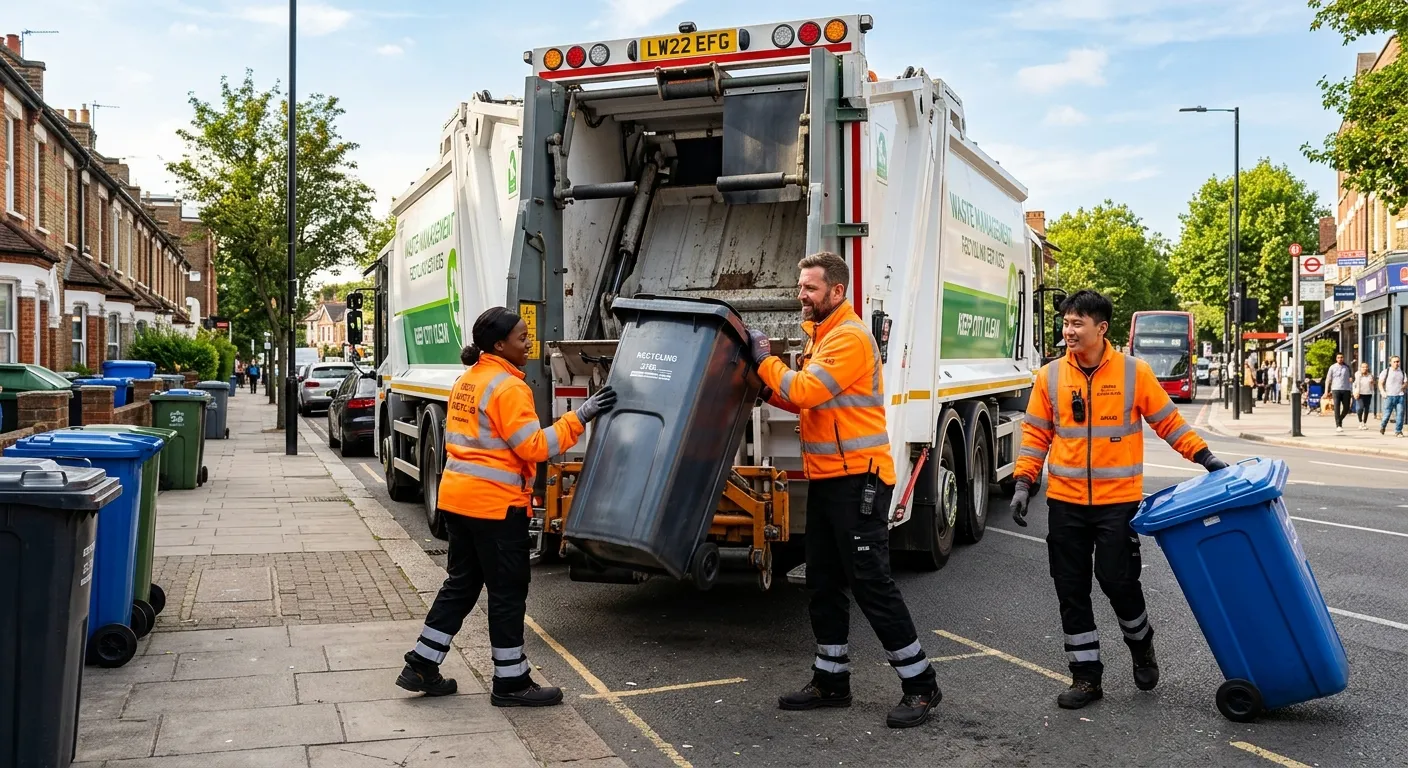
The backbone of urban sanitation and recycling, refuse loader jobs offer stable, essential careers with increasing demand. This comprehensive guide details everything from securing a role to advancing your career in waste management. Whether you're looking for immediate start positions or a long-term career path, understanding the landscape of refuse loader recruitment is your first step.
Need staff urgently? Post your vacancy and get matched with pre-vetted candidates in 24 hours.
Navigating the Waste Management Job Market
A refuse loader, often working as part of a crew with a driver, is responsible for the manual or semi-automated collection of residential and commercial waste and recyclables. It’s a physically demanding yet crucial public service role that keeps communities clean and supports environmental sustainability.
The role varies from traditional bin-emptying into rear-loading trucks to operating the mechanical arms on modern side-loader vehicles. The industry is evolving, with a growing focus on source-separated recycling streams, requiring loaders to be knowledgeable about waste types. This sector often provides stable employment, with many positions tied to local government contracts or large private waste management firms. For those seeking reliable, hands-on work, refuse loader jobs present a solid opportunity, especially in periods of peak seasonal hiring.
Pro-Tip: Career Pathways
Starting as a refuse loader is often a gateway into the wider waste management industry. With experience and additional certifications, you can progress to roles like Driver (requiring an HGV licence), Route Supervisor, Recycling Coordinator, or even Health & Safety Officer.
Success as a refuse loader hinges on a specific blend of physical and soft skills.
- Physical Fitness & Stamina: The job involves heavy lifting, constant bending, and walking several miles per shift in all weather conditions.
- Teamwork & Communication: Crews must work in sync for safety and efficiency, communicating clearly with each other and sometimes with the public.
- Reliability & Punctuality: Routes are timed, and services are scheduled. Dependability is the most sought-after trait.
- Safety Consciousness: Understanding and adhering to strict health and safety protocols is non-negotiable to prevent injuries from machinery, vehicles, and materials.
- Basic Literacy & Numeracy: For understanding route sheets, safety instructions, and sometimes basic data entry.
Formal qualifications are often less critical than a strong work ethic and the right attitude. Many employers provide on-the-job training, especially for operating specialised vehicles. Similar to the competencies needed for warehouse operative jobs, physical resilience and teamwork are paramount.
The hiring process for refuse loader jobs is typically streamlined to fill vacancies quickly, especially for urgent contracts.
- Application: Often via recruitment agencies specializing in industrial and logistics roles, or directly through council/corporate websites.
- Screening: A focus on right-to-work checks and assessing reliability. Gaps in employment may be questioned.
- Practical Assessment/Interview: May involve a basic fitness test or a situational interview to gauge safety awareness and teamwork.
- Offer & Onboarding: Successful candidates usually undergo a probation period with mandatory safety inductions and uniform/equipment provision.
Employers facing urgent staffing gaps often turn to on-demand staffing solutions to find reliable loaders without delay, ensuring service continuity.
Key Benefits & Career Prospects
Stable Employment & Pay
Refuse collection is an essential service, leading to high job security. Pay is often competitive, with opportunities for overtime, especially during holiday periods or severe weather events. Many roles include pension schemes and union representation.
Clear Career Ladder
Entry-level loader positions are the first rung. From here, you can train for an HGV licence to become a driver, move into supervisory or training roles (similar to a warehouse trainer), or specialize in areas like hazardous waste or recycling education.
Immediate Start Potential
Due to the constant demand and sometimes high turnover, many refuse loader jobs offer immediate or quick-start opportunities. This is ideal for candidates seeking to transition into work rapidly, much like the immediate start roles in warehouse and logistics sectors.
A Deep Dive into the Role: Duties, Challenges & Rewards
Daily Responsibilities Explained
A typical shift for a refuse loader begins early, often before dawn. The crew meets at the depot for a safety briefing and to collect their assigned vehicle. The loader's primary duty is to manually lift and empty bins, bags, and recycling containers into the truck hopper. This involves navigating streets, driveways, and sometimes alleyways, ensuring all scheduled collections are completed.
Beyond collection, loaders are responsible for basic vehicle checks (like ensuring the loading area is clear), reporting any vehicle defects, and adhering to safe manual handling techniques. They interact with the public, addressing minor queries or reporting issues like missed collections or contaminated recycling bins. The role requires constant vigilance for hazards like broken glass, needles, or overloaded bins.
Essential Safety Protocols
- Always wear provided PPE: high-vis clothing, safety boots, gloves, and sometimes ear protection.
- Never step into the path of the moving vehicle or work in the driver's blind spot.
- Use correct lifting technique: bend knees, keep back straight, and avoid twisting.
- Communicate clearly with the driver using agreed signals, especially when moving around the truck.
- Immediately report any injuries, near misses, or unsafe waste items (like hazardous chemicals).
Industry Trends & Future Outlook
The waste management sector is undergoing significant changes that impact refuse loader jobs. The push towards a circular economy means more complex recycling streams (plastics, food waste, textiles) require careful handling and education. Automation is increasing, with more councils adopting semi-automated bins and vehicle cranes, shifting the loader's role from pure heavy lifting to more equipment operation and monitoring.
Furthermore, the industry's focus on reducing carbon emissions is leading to fleet electrification, creating future opportunities for workers familiar with new vehicle technologies. The demand for reliable staff remains constant, making this a resilient career choice even as the nature of the work evolves.
Expert Insight: Hiring Manager's Perspective
"When I'm hiring for refuse loader jobs, I look beyond sheer strength. The best candidates demonstrate unwavering reliability, a strong team spirit, and a genuine understanding that this is a public service role. A positive attitude on a cold, rainy Monday morning is worth more than an extra 10kg on a lift test. We invest in training for the right person, because a safe, efficient, and long-term employee is our goal. For businesses, partnering with a specialized agency can streamline this process, much like how companies benefit from a dedicated forklift driver recruitment agency for their logistics needs."
Finding and Securing Your Refuse Loader Position
Where to Look for Vacancies
- Local Council Websites: Direct employment opportunities for municipal waste collection services.
- Major Waste Management Companies: Biffa, Veolia, SUEZ, FCC Environment, etc., all have careers pages.
- Industrial Recruitment Agencies: Specialists in logistics, driving, and manual labour roles are primary sources for these jobs.
- Job Boards: Search for"refuse collector,""waste operative,""loader," or"recycling operative."
- Networking: Word-of-mouth remains powerful in this industry. Talk to current loaders.
Crafting a Winning Application
Your CV and application should highlight:
- Physical Work Experience: Any previous manual labour, construction, warehouse work (e.g., warehouse jobs in Trafford Park), or outdoor work.
- Reliability: Emphasise perfect attendance records, punctuality, and long-term commitments in previous roles.
- Teamwork Examples: Use specific instances from sports, volunteer work, or past jobs.
- Safety Awareness: Mention any previous safety training or certifications (even basic First Aid).
- Driving Licence: While not always required, a clean standard licence is a significant advantage.
Warning: Common Pitfalls to Avoid
Do not underestimate the physical and mental demands of the role. Applicants who focus only on the pay without considering the early starts, weather extremes, and repetitive nature of the work often leave quickly. Be honest about your fitness and commitment level during the interview process.
Frequently Asked Questions (FAQ)
Salaries vary by region, employer (council vs. private), and experience. Entry-level positions typically start at or just above the National Living Wage. With experience, shift allowances, and overtime, earnings can increase significantly. Many roles also include benefits like pension contributions, paid holiday, and sometimes performance bonuses. For context, pay is often competitive with other essential manual roles, such as those found in construction staffing.
Generally, no formal academic qualifications are required. The essential requirements are physical fitness and the right to work in the UK. A full driving licence (especially if you aim to progress to driver) is highly beneficial. Some employers may require or provide a Certificate of Professional Competence (CPC) for drivers, but this is not needed for a loader role itself. Safety training, such as manual handling, is always provided on the job.
You need a good level of all-round fitness. The job involves repetitive lifting (often 10-25kg loads), bending, walking, and pushing/pulling bins for up to 8-10 hours per shift, in all weather conditions. Stamina is as important as strength. Many employers conduct a basic practical assessment. If you can handle the physical demands of roles like construction site cleaning or intensive warehouse work, you are likely suited for refuse loading.
The primary challenges are physical strain and environmental exposure. You will work in rain, wind, cold, and heat. The work is repetitive and can be monotonous. There are potential hazards from waste materials (sharp objects, chemicals, heavy items). Early morning starts (often 5-6 am) require lifestyle adjustment. However, these are balanced by the job's stability, camaraderie amongst crews, the satisfaction of providing an essential service, and the routine of finishing shifts relatively early in the afternoon.
Yes. Many agencies and councils hire extra staff during peak periods, such as the post-Christmas collection rush, summer holiday cover, or to fulfil specific short-term contracts. This can be an excellent way to gain experience and prove your worth for a permanent position. It aligns with broader trends in on-demand staffing across industries, providing flexibility for both workers and employers.
Ready to Take the Next Step?
Whether you're a job seeker ready to start a stable, rewarding career as a refuse loader, or an employer needing to fill critical vacancies to maintain your service levels, the time to act is now. The demand for reliable, skilled waste management professionals is constant.
Need more specific recruitment solutions? Explore our dedicated services for permanent recruitment or to hire business-critical professionals across all sectors.