Become a Pastry Chef with No Experience: Your Complete 2026 Career Guide
Discover actionable pathways, essential skills, and immediate job opportunities to launch a successful career in pastry arts. No prior professional kitchen experience required.
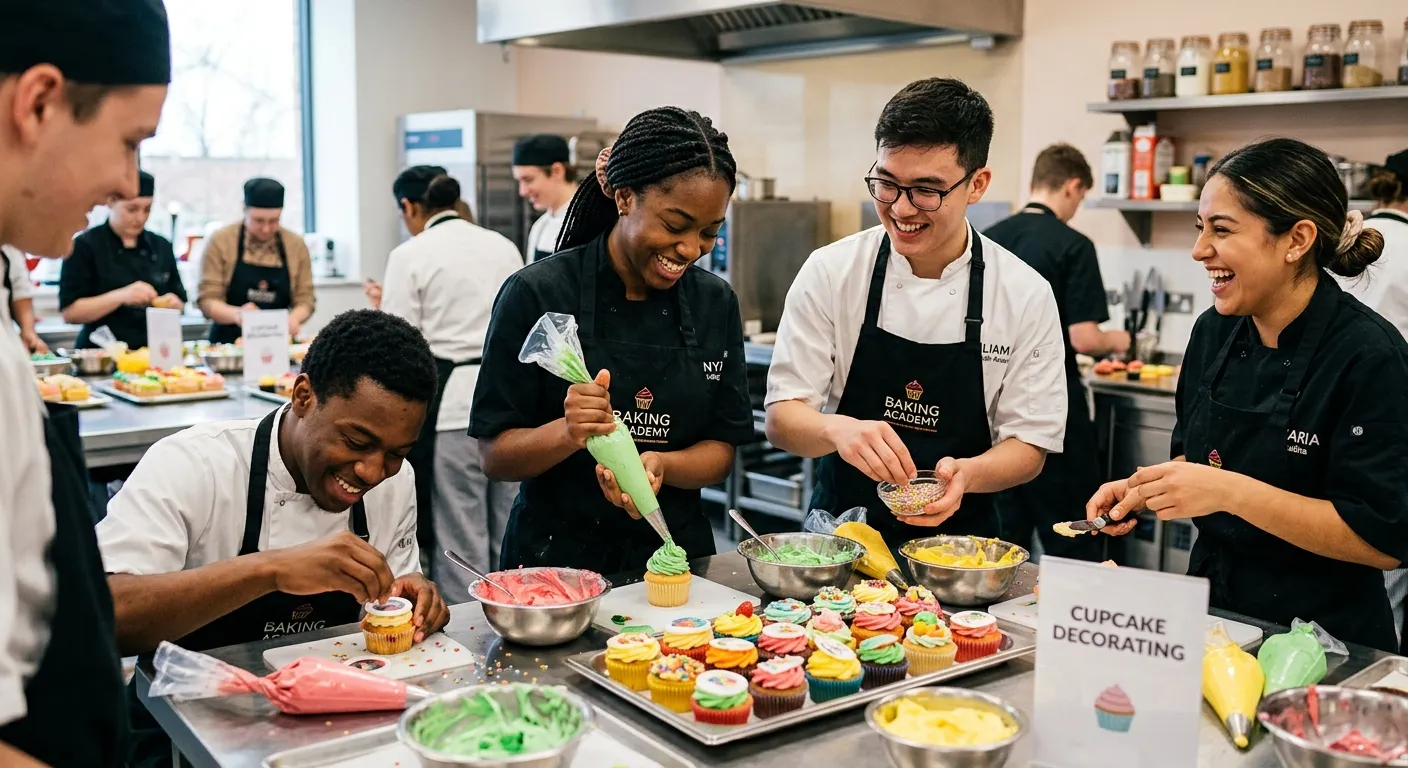
The world of pastry is often perceived as an exclusive guild, accessible only to those with years of formal training. This misconception deters countless talented individuals. The reality in 2026 is vastly different. The hospitality industry, from boutique patisseries to large-scale production kitchens and luxury hotels, faces a significant skills gap. This creates a prime opportunity for motivated individuals to enter the field as a Pastry Chef with No Experience. Whether you're a career changer, a recent graduate, or someone with a passion for baking, this guide provides the roadmap. We'll detail how to build a compelling foundation, where to find training, and how to connect with employers actively seeking enthusiastic newcomers, much like the opportunities available in other dynamic sectors through our on-demand staffing solutions.
This comprehensive guide is designed for the aspiring chef. We'll move beyond theory into practical, actionable steps. You'll learn how to structure your self-education, develop a portfolio that impresses, and navigate the job market with confidence. The demand for culinary talent is robust and extends across various roles; for instance, while you're exploring pastry, you might find complementary opportunities in kitchen management or discover that the organizational skills you develop are also valued in fields like administrative support.
Your Pathway to Becoming a Pastry Chef
Choose your starting point. Each path offers a unique blend of learning, practice, and professional entry.
Proven Entry Points for Aspiring Chefs
Formal culinary school is one route, but it's not the only one. Many esteemed pastry chefs began as dishwashers or kitchen porters, learning through observation and sheer determination.
- The Apprentice Route: Seek formal apprenticeship programs offered by hotel groups or artisan bakeries. You earn while you learn fundamental techniques.
- Entry-Level Kitchen Roles: Start as a Commis Chef, Kitchen Assistant, or even in prep. This gets you into the environment, teaches pace, and builds basic knife and safety skills.
- Specialised Short Courses & Certifications: Intensive courses in bread, chocolate, or sugar work can provide a focused skill set that makes you attractive for specific stations.
- The Portfolio Path: For the self-taught, develop a stunning personal portfolio through home practice, social media showcasing, and small-scale sales (e.g., at farmers' markets). This demonstrates passion and skill directly to employers.
Pro Tip:
Combine pathways for the fastest progress. Take a weekend patisserie course while working as a kitchen porter. The hands-on environment is irreplaceable, just as it is in sectors like construction staffing, where on-site experience is paramount.
The Non-Negotiable Skills You Must Develop
Technical skill is crucial, but modern kitchens hire for attitude and aptitude. Here are the core competencies to cultivate.
Hard Skills
- Mise en Place: The religion of preparation and organization.
- Dough & Batter Fundamentals: Understanding gluten development, aeration, and fermentation.
- Temperature Control: Mastering ovens, working with chocolate, and creating stable creams.
- Basic Decorating: Piping, glazing, and simple plating techniques.
- Food Safety & Hygiene (Level 2): A mandatory certification for any professional kitchen.
Soft Skills
- Resilience & Stamina: Long hours on your feet in a hot, high-pressure environment.
- Precision & Attention to Detail: Pastry is a science; measurements and timing are critical.
- Teamwork & Communication: Working seamlessly with the savory kitchen and front-of-house.
- Creativity Within Constraints: Developing new items that are both beautiful and producible to scale.
- Time Management: Juggling multiple tasks with different timelines (e.g., proofing dough, setting ganache).
Landing Your First Pastry Chef Role
A strategic job search targets the right employers and presents your potential effectively.
- Target Growth Sectors: Look beyond fine dining. High-volume catering, quality supermarket in-store bakeries, corporate dining, and education facilities often have more structured training for newcomers.
- Tailor Your CV for Kitchen Culture: Highlight stamina, willingness to learn, and any evidence of precision (even from non-kitchen roles). List relevant short courses and home projects prominently.
- Prepare a Practical"Stage" (Trial): Be ready to spend a few hours in a kitchen doing basic tasks. Your attitude during this unpaid trial is often more important than your current skill level.
- Leverage Staffing Specialists: Recruitment agencies that specialize in hospitality understand which employers are open to training raw talent. They can match your enthusiasm with the right opportunity, similar to how agencies fill critical roles like an Interim Finance Director or Warehouse Trainer.
Why a Pastry Career is Rewarding in 2026
The pastry profession offers unique advantages that align with modern workforce desires for creativity, stability, and growth.
High Demand & Job Security
The hospitality sector consistently reports chef shortages. As a skilled pastry chef, your expertise becomes a valuable asset, providing strong job security across hotels, restaurants, and dedicated patisseries. This demand mirrors the consistent need in other essential services, such as healthcare or facilities management.
Creative & Tangible Output
Few careers offer the daily satisfaction of creating something beautiful and delicious from raw ingredients. The blend of science and art provides a deeply fulfilling creative outlet with immediate, tangible results that bring joy to customers.
Clear Career Progression
The brigade system offers a transparent ladder: Commis → Demi Chef de Partie → Chef de Partie → Pastry Sous Chef → Head Pastry Chef. Each step brings new responsibilities, skills, and salary increases, providing a clear roadmap for advancement.
Global Opportunities
Culinary skills are universally valued. Proficiency in pastry arts can be your passport to work in luxury resorts worldwide, on cruise ships, or in international hotel chains, offering unparalleled travel and cultural experiences.
Entrepreneurial Potential
With experience, you can channel your skills into your own business—a bespoke cake studio, a wholesale bakery supplying cafes, or a gourmet dessert product line. The industry supports small-scale entrepreneurship.
Structured Entry via Staffing
Specialist recruitment agencies provide a critical bridge for newcomers. They can place you in temporary or trial roles, allowing you to gain experience and prove your worth without the pressure of a direct permanent hire, a model proven successful in fields from software development to education.
Building Your Foundation: A Step-by-Step Action Plan
Months 1-3: The Immersion Phase
Your first quarter is about building knowledge and basic muscle memory. Focus is key.
- 1 Certify Your Safety Knowledge: Enroll in an online Food Hygiene & Safety Level 2 course. This certificate is non-negotiable and shows immediate professionalism.
- 2 Master Five Core Recipes: Don't jump between dozens. Perfect a basic bread dough (e.g., a focaccia), a shortcrust pastry (for tarts), a choux pastry (for profiteroles), a sponge cake (e.g., genoise), and a custard (crème pâtissière). Understand the science behind each.
- 3 Document Everything: Start a digital portfolio. Take high-quality photos of every attempt, note your adjustments, and record your learnings. This becomes your evidence of progress and passion.
Months 4-6: The Integration Phase
Now, transition from home kitchen to professional environment.
- 4 Secure an Entry-Level Position: Apply for Commis Pastry Chef, Kitchen Porter in a pastry section, or Bakery Assistant roles. Your goal is to get your foot in the door and learn the rhythm of a commercial kitchen.
- 5 Find a Mentor: Identify a senior chef whose work you admire and work ethic you respect. Ask thoughtful questions, volunteer for extra tasks, and absorb their knowledge. A good mentor is invaluable.
- 6 Specialise with a Short Course: Use your earnings to fund a 1-2 day masterclass in an area like chocolate tempering, sugar sculpture, or viennoiserie. This adds a specialist string to your bow.
Expert Insight:
"The best pastry chefs I've hired weren't always the ones from the best schools. They were the ones who showed up early, stayed late to clean the mixers, and had a notebook full of questions. This industry runs on passion and perseverance. Your first job is less about what you can make and more about proving you can be trained, you can handle pressure, and you respect the craft. That foundation is what allows us to build a great chef." – Executive Pastry Chef, Luxury Hotel Group. This principle of valuing attitude is universal; it's why businesses partner with experts for business-critical professional hiring across all sectors.
Frequently Asked Questions
Get clear, direct answers to the most common questions about starting a pastry career with no experience.
Yes, absolutely. While challenging, it's a common starting point. The key is to reframe"no experience" as"untapped potential." Employers look for demonstrable passion, a strong work ethic, and a willingness to learn. Your entry point will likely be a junior role like Commis Chef or Kitchen Assistant. From there, your progression depends entirely on your attitude, speed of learning, and dedication. Many recruitment agencies specialize in matching candidates with this profile to employers open to training, a process similar to filling warehouse operative roles where specific training is often provided on-site.
In the UK in 2026, a Commis Pastry Chef (the typical entry-level title) can expect a starting salary in the range of £18,000 to £22,000 per annum, depending on location and establishment (London and luxury hotels command higher rates). This salary grows steadily with each promotion. Remember, you are being paid to learn a valuable trade. Many positions also include meals and sometimes accommodation. The financial trajectory is positive, with Sous Chef roles often reaching £28,000-£35,000 and Head Pastry Chef positions exceeding £40,000.
Both have value, but in 2026, a compelling portfolio is increasingly powerful. A formal qualification (NVQ, City & Guilds, culinary school diploma) provides structured learning and signals commitment. However, a stunning, well-photographed portfolio of your original creations demonstrates practical skill, creativity, and passion directly. For a self-taught candidate, the portfolio is your primary credential. Combine it with a Food Hygiene certificate and evidence of any short courses for the strongest application. Think of it as your culinary CV—it shows what you can do, not just what you've studied.
The core principles of presenting transferable skills (organization, customer focus, teamwork) are similar. However, the pastry chef hiring process almost always includes a practical element—the"stage" or trial shift. While applying for front-of-house roles like receptionist jobs might involve skills testing or scenario interviews, a pastry interview requires you to perform basic tasks in a real kitchen to assess your hands-on ability, pace, and kitchen demeanor. Be prepared to pipe, whisk, or follow a simple recipe under observation. This is your chance to show your potential beyond the CV.
The most common mistake is overstating their current skills on their CV or in an interview. In a professional kitchen, this is discovered within minutes and destroys credibility. Instead, be honest about your current level but emphatic about your willingness to learn, work hard, and start from the bottom. Highlight your passion, stamina, and attention to detail. A humble, hungry apprentice is far more valuable than a arrogant, inexperienced"expert." Frame your lack of experience as an advantage—you have no bad habits to unlearn and are a blank slate for the head chef to train according to their standards.
Ready to Start Your Pastry Career?
Your journey from enthusiast to professional begins with a single step. Whether you're seeking your first entry-level position or are an employer looking to hire and mold passionate new talent, the pathway is clear.
For Job Seekers
Refine your portfolio, obtain your food safety certificate, and start browsing opportunities. Your first role is waiting.
Explore Pastry Chef JobsFor Employers
Find dedicated, trainable talent to fill your pastry brigade. Leverage our network to hire staff who are passionate about the craft.
Hire a Pastry Chef TodayNeed guidance? Our specialist recruitment consultants understand the unique demands of the pastry kitchen and can match potential with opportunity. Explore our broader recruitment services to see how we support the entire hospitality sector and beyond.