Looking For Cooks To Hire? Master the Art of Culinary Recruitment
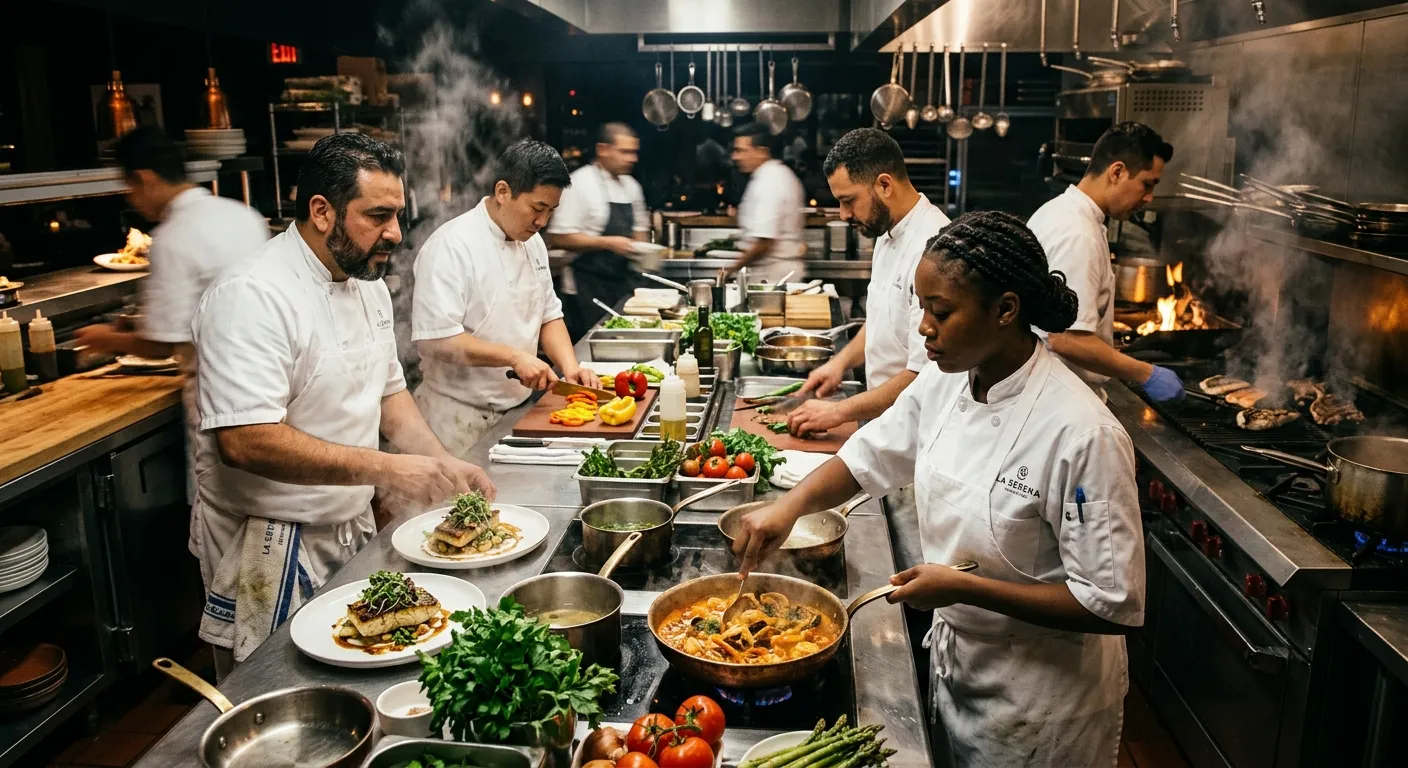
Navigating the competitive landscape of culinary hiring? From high-volume restaurants to specialized Chef Jobs In Hospitals, finding and securing skilled cooks is critical to operational success. This comprehensive guide delivers the actionable strategies you need.
Strategic Approaches to Culinary Hiring
The process of Looking For Cooks To Hire varies significantly by sector. Use this guide to tailor your approach.
Hiring for High-Paced Hospitality
Recruiting for restaurants demands a focus on speed, consistency, and creativity under pressure. The skills needed for a fine-dining sauté cook differ vastly from a high-volume breakfast chef. Begin by auditing your menu and service patterns. Are you experiencing a September 2025 Hiring Boom due to seasonal demand? If so, leveraging on-demand-staffing solutions can provide the flexibility to scale your kitchen team up or down without the long-term commitment of permanent hires, a tactic that is also invaluable for covering unexpected absences.
Pro Tip: The Practical Audition
Move beyond the interview. A paid"stage" (trial shift) is non-negotiable. Watch how the candidate handles mise en place, interacts with the existing team during the rush, and follows the head chef's directives. This reveals more than any resume about their practical skills and cultural fit.
Securing Talent for Chef Jobs In Hospitals & Care Homes
Hiring cooks for healthcare settings involves a unique set of criteria. Nutritional knowledge, adherence to strict dietary guidelines (allergen-free, texture-modified diets), volume cooking for set meal times, and hygiene certifications are paramount. The recruitment process must screen for patience, empathy, and meticulous attention to detail, alongside culinary skill. It's a specialized field where partnering with experts in hire-business-critical-professionals can streamline your search for candidates who understand the profound responsibility of nourishing patients and residents.
Furthermore, the operational tempo in healthcare kitchens can be just as demanding as a restaurant, requiring robust staffing strategies. Exploring temporary education staffing models can offer insights into managing fluctuating demands, as both sectors rely on consistent, reliable service delivery to a captive audience.
Building Teams for Corporate Dining & Large-Scale Events
Corporate cafeterias, university dining halls, and large event catering require cooks who excel at logistics, batch cooking, and maintaining quality across hundreds of covers. Flexibility is key, as menus may change daily based on executive client requests or event themes. This sector often benefits from a mixed workforce, combining core permanent chefs with a pool of trusted temporary specialists for peak periods, a strategy detailed in resources like our guide to finding temporary jobs.
Pro Tip: Portfolio over CV
For event chefs, a portfolio of past event menus, photos of presented dishes for large groups, and client testimonials are more valuable than a traditional CV. Ask for specific examples of how they managed dietary restrictions for 200+ guests or adapted a menu last-minute.
The Hidden Cost of a Bad Hire
A poor culinary hire doesn't just drain salary. It impacts food cost (through waste and inconsistent portions), team morale, service speed, and ultimately, customer satisfaction and reviews. Investing time in a thorough process, or using a specialized agency's vetting, saves significant revenue and reputational damage in the long run. For a detailed breakdown, consider the insights from our analysis on The Real Cost of Bad Hiring.
Why a Strategic Hiring Process Wins
Access to Pre-Vetted Talent Pools
Skip the endless sifting of generic job boards. Specialized culinary recruiters and agencies maintain deep networks of qualified cooks, from commis chefs to head chefs, who have been reference-checked and often skill-assessed. This is as crucial for kitchens as it is for finding specialized roles like an AI Implementation Consultant in tech.
Drastically Reduced Time-to-Hire
An empty station means overworked staff and compromised service. A targeted hiring strategy, much like the urgent need for an Urgent Data Entry Clerk, gets a qualified cook into your kitchen in days, not weeks. This speed is critical during peak seasons or when covering unexpected leave.
Compliance & Risk Mitigation
Professional recruiters ensure candidates have the right to work, necessary food hygiene certifications (Level 2/3), and any sector-specific checks (e.g., DBS for healthcare). This protects your business from legal and safety risks, allowing you to focus on the food, similar to how a Construction Recruitment Agency manages CSCS card verification.
Crafting the Perfect Chef Job Description
Your job description is your first point of contact with potential candidates. A vague post attracts vague applicants. Be specific, compelling, and honest.
Essential Components of a Winning Ad
- Job Title Precision: Use clear titles like"Sous Chef - Fine Dining" or"Healthcare Cook - NHS Band 3". Avoid internal jargon.
- The Hook: Start with 1-2 sentences selling your establishment's culture, reputation, or unique culinary angle.
- Core Responsibilities in Detail: List 5-8 key tasks. Instead of"prepare food," write"lead the larder section, producing all cold starters, sauces, and garnishes to spec during dinner service."
- Required Skills & Qualifications: Separate"must-haves" (e.g., NVQ Level 2 in Professional Cookery, 2 years in a similar role) from"nice-to-haves" (e.g., experience with specific cuisine).
- Practical Details: Clearly state shift patterns (e.g.,"4 on, 3 off, 2pm-11pm"), salary range/package, and location.
- Call to Action: Direct applicants clearly to your preferred application method.
Example: Line Cook for Gastropub
"Join our award-winning team at The Oak & Vine! We're looking for a passionate Line Cook to master our grill and fry stations. You'll be responsible for cooking all meat and fish dishes to perfect temperature, managing ticket times during weekend rushes, and maintaining impeccable station hygiene. We need someone with 1+ years in a fast-paced kitchen, a solid understanding of meat cookery, and a true team spirit. In return, we offer competitive pay, a share of tronc, and regular training sessions with our Head Chef. Ready to step up?"
For specialized environments like hospitals, understanding the full scope of staffing is key. This video provides broader context for healthcare management.
Interviewing & Assessing Culinary Talent
The interview is a two-way street. You're assessing their skill, and they're assessing your kitchen as a place to work.
Key Interview Questions:
- "Walk me through your last shift from clock-in to clock-out." This reveals their organizational habits, prep routine, and clean-down discipline.
- "Describe a time you made a mistake on a ticket or dish. How did you handle it?" Tests accountability, problem-solving, and grace under pressure.
- "How do you handle feedback or criticism from a Head Chef during a busy service?" Crucial for understanding their ego and coachability.
- "What draws you to our specific restaurant/hospital/event company?" Separates those genuinely interested from those blanket-applying.
- Scenario Question:"Our supplier shorts us on sea bass for a featured dish tonight. What's your immediate action plan?" Tests initiative and menu knowledge.
Remember, consistency in your hiring process is vital, whether you're looking for cooks or other critical roles like a Interim Finance Director. A structured approach yields better long-term results.
FAQs: Looking For Cooks To Hire
Quick answers to the most common culinary recruitment questions.
Prioritizing speed over fit. Hiring the first available warm body to fill a gap often leads to rapid turnover, which is more costly and disruptive than a slightly longer search for a candidate whose skills, career goals, and temperament align with your kitchen's culture and needs. It’s a lesson mirrored in all sectors, from finding a Warehouse Trainer to a software developer.
Request a short, focused skills test. For example, provide a basket of ingredients (a chicken breast, potatoes, seasonal greens) and ask them to prepare and plate a dish within 45 minutes in your kitchen. Observe their knife skills, organization, seasoning, and plating aesthetics. For bakers, a timed dough production and shaping test is effective. This is a standard practice in professional hiring, similar to technical tests for Software Developers.
Salaries vary widely by location, establishment type, and experience. As of 2025/2026, in major UK cities:
- Commis Chef: £22k - £26k
- CDP (Chef de Partie): £25k - £32k
- Sous Chef: £30k - £45k+
- Healthcare Cook (NHS Band 3): £22k - £24k (base)
General boards (Indeed, LinkedIn): Good for volume and raising awareness. Expect to sift through many unqualified applicants. Best for entry-level or high-turnover roles.
Specialist Agencies & Culinary Job Sites: Target candidates who are actively seeking culinary roles and are often pre-vetted. This saves immense time, provides access to passive candidates, and offers expertise on market rates and contracts. It's the difference between posting a generic ad and using a dedicated service like our Permanent Recruitment solutions for critical hires.
Stop Looking For Cooks To Hire. Start Hiring Great Cooks.
The complexity of modern culinary recruitment demands a partner, not just a process. Whether you need a temporary pastry chef for a summer wedding season, a permanent Sous Chef to lead your section, or specialized talent for Chef Jobs In Hospitals, a strategic approach makes all the difference.
Ready to transform your kitchen team? Take the first step today.
Post Your Job & Hire FasterFor personalized advice on your culinary staffing needs, explore our full suite of Recruitment Services or learn more About our proven methodology.
Beyond the Job Board: Proactive Sourcing for Culinary Talent
While posting a vacancy is reactive, the most successful kitchens build a continuous talent pipeline. This proactive approach ensures you're not starting from zero when a position opens. It involves engaging with potential candidates long before you have an immediate need.
Untapped Talent Channels
Culinary School Partnerships
Forge relationships with local culinary colleges and apprenticeship programs. Offer to host student stages, give guest lectures, or participate in career fairs. This gives you first access to emerging talent who are trained in modern techniques and eager to prove themselves. Consider creating a structured graduate program to onboard them effectively.
Social Media & Digital Scouting
Platforms like Instagram and TikTok are portfolios for the modern cook. Follow local food hashtags, engage with content from talented commis and CDPs in your area, and observe who is tagging local suppliers or pop-ups. A direct message complimenting a dish can open a dialogue. Showcase your own kitchen's culture on these platforms to attract like-minded professionals.
The Employee Referral Program: Your Secret Weapon
Your current team is your most credible and effective recruiting channel. They understand the culture and demands of the kitchen and are unlikely to refer someone who wouldn't thrive. Implementing a structured referral program with a meaningful financial incentive (e.g., £500-£1000 bonus paid after the new hire completes probation) can dramatically improve both the quality and retention rate of new staff.
Case Study: Reducing Turnover with Referrals
A mid-sized hotel group struggling with 40% annual turnover in its brigade introduced a £800 referral bonus. Within one year, 60% of all new hires came via employee referral. Crucially, the retention rate for referred hires was 65% higher than those sourced from job boards after 12 months. The existing team acted as a cultural filter, leading to better integration and longer tenure. The program's success mirrored the importance of trusted networks in other fields, much like sourcing a reliable Cleaning Services provider through business partnerships.
The First 90 Days: Onboarding for Retention
The hiring process doesn't end when a candidate accepts your offer. A poor onboarding experience is a primary reason new cooks leave within the first three months. A structured 90-day plan transforms a new hire from a liability into a confident, productive team member.
A Phased Culinary Onboarding Plan
Orientation & Observation
Focus on integration, not output. Assign a"buddy" from the existing team. The new cook should shadow all stations, learn the menu theory, understand food safety protocols, and absorb the kitchen's rhythm. Paperwork, uniform, and system logins should be completed seamlessly on day one. This period is about reducing anxiety and answering the question,"How do things work here?"
Guided Contribution
The new hire begins working a designated station with direct supervision. The goal is accuracy, not speed. The Head Chef or Sous Chef should provide daily, specific feedback. Schedule a formal check-in at the 30-day mark to discuss progress, address concerns, and reaffirm their role in the team's success. This structured support is as critical as it is for any new professional, similar to onboarding an Interim Finance Director into a complex financial landscape.
Autonomy & Development
The cook should now be confident and capable on their station during service. The focus shifts to speed, consistency, and minor problem-solving. Introduce elements of development: can they suggest a special? Would they like cross-training on another station? The 90-day review is pivotal—discuss performance, set goals for the next quarter, and clearly outline the path for growth and advancement within your establishment.
Retention Beyond Pay: What Keeps Cooks Motivated
While competitive pay is essential, long-term retention hinges on non-monetary factors. The modern culinary professional seeks respect, work-life balance, and a clear career path.
- Recognition & Voice: Regularly acknowledge hard work and a job well done, publicly when appropriate. Create channels for cooks to contribute ideas for menu items or process improvements.
- Invest in Training: Sponsor courses for advanced food safety, specific cuisines, or management training. This demonstrates investment in their future.
- Predictable Scheduling: As much as the industry allows, provide schedules two weeks in advance and respect time-off requests. Burnout is a primary cause of attrition.
- Career Path Transparency: Outline what it takes to move from Commis to CDP, CDP to Sous Chef. Define the skills and timeframe, and provide the mentorship to get there.
Implementing these strategies creates an environment where cooks feel valued and see a future, turning your kitchen into a destination for talent, not a stepping stone. This holistic approach to the employee lifecycle is what separates market-leading kitchens from those stuck in a perpetual cycle of Looking For Cooks To Hire.