
Hire Warehouse Staff Fast: A Complete Guide to Finding Reliable, Skilled, and Ready-to-Work Warehouse Teams
SEO Title: Hire Warehouse Staff Fast: A Complete Guide to Reliable Warehouse Teams. SEO Description: Learn how to hire warehouse staff quickly, screen good temp agencies near me, and build dependable distribution teams.
Warehouse operations rarely wait. When orders surge, a shipment is delayed, or a key operative calls in sick, the whole supply chain feels the pressure within hours. That is why businesses need to hire warehouse staff quickly without sacrificing reliability, safety, or quality.
The best approach is not simply posting a job and hoping for the right response. It is understanding the roles you need, matching them to the right hiring model, screening candidates properly, and building a dependable talent pipeline.
This guide explains how to hire warehouse staff, from pickers and packers to forklift drivers, dispatch operatives, and supervisors.
About Hiring Warehouse Staff
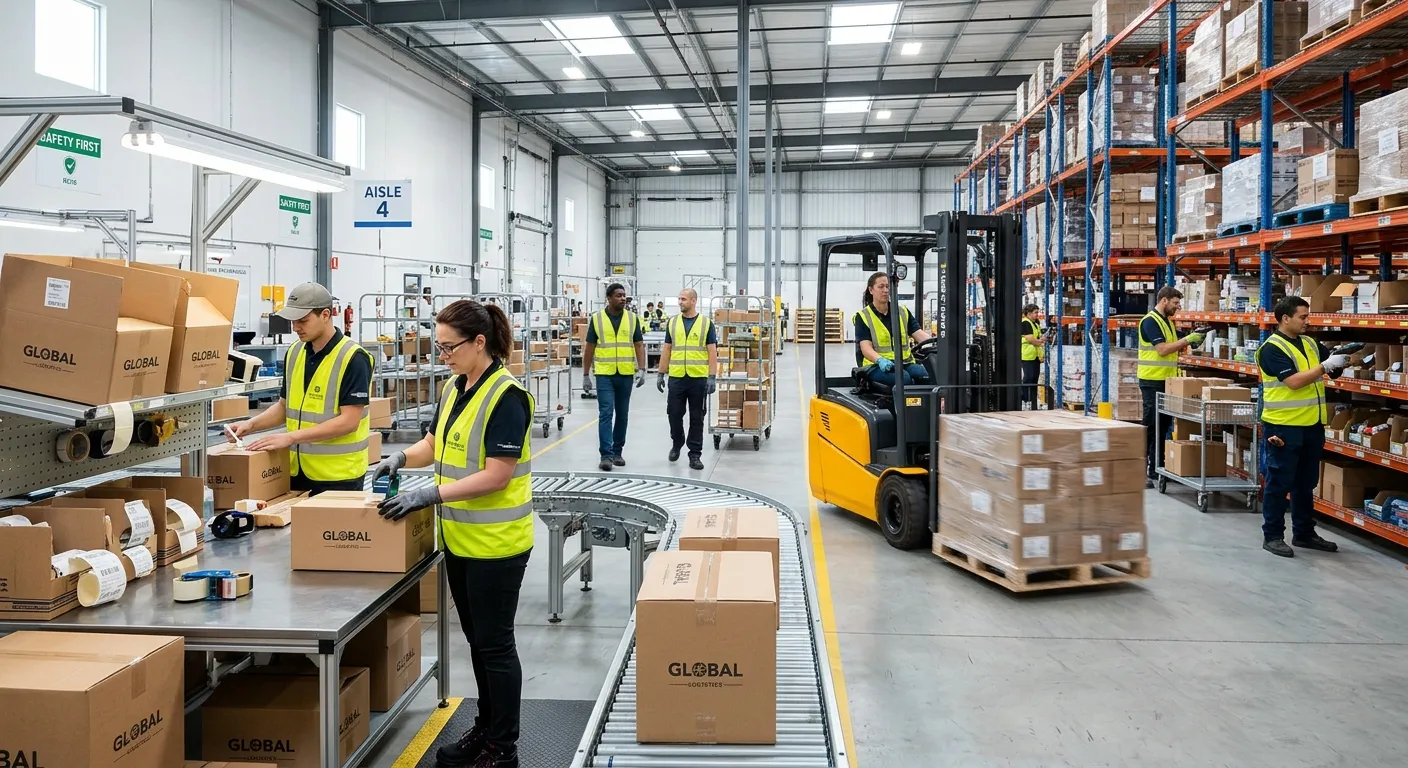
About hiring warehouse staff means more than filling a rota. It means creating a workforce that can handle stock movement, picking accuracy, loading, unloading, inventory checks, safety compliance, and fast order turnaround. A warehouse team is the operational engine of retail, manufacturing, e-commerce, and logistics businesses. When the right people are on the floor, errors fall, productivity rises, and customer promises become easier to keep.
Many employers now hire warehouse staff through a blended workforce model. Permanent employees provide continuity, temporary staff absorb seasonal peaks, and agency workers cover absence or urgent demand. This flexibility is useful where order volumes change by day, week, or quarter.
Multi-Category Overview: The Warehouse Roles You Need to Hire First
Warehouse operatives are the backbone of most fulfilment environments. They receive goods, move stock, pick items, pack parcels, scan products, and keep work areas clean. When you hire warehouse staff for picking and packing, look for accuracy, speed, reliability, and the ability to follow instructions. A good operative may not have advanced certifications, but they must understand basic health and safety, correct lifting, and quality checks. For high-volume sites, picking errors can create returns and complaints. If you are recruiting for a busy distribution hub, it can help to review local demand patterns, such as warehouse operative jobs in Trafford Park, to understand shift expectations and candidate availability.
Forklift drivers need more than a licence. They need confidence in tight aisles, awareness of pedestrian safety, and the ability to operate different trucks depending on the environment. Counterbalance, reach, pallet truck, and order picker experience are all valuable. When you hire warehouse staff for truck driving, confirm licence validity, test practical ability where appropriate, and assess whether the candidate can work safely in your racking system. A poor hire can create product damage, safety incidents, and downtime. A strong driver can improve loading speed and reduce stock damage. Employers needing qualified drivers should consider a specialist forklift driver recruitment agency, because these roles often have a smaller candidate pool.
Dispatch and inventory roles sit at the intersection of accuracy and pressure. Dispatch operatives prepare goods for outbound transport, check documentation, arrange carriers, and confirm loads. Inventory staff conduct stock counts, investigate discrepancies, update systems, and support cycle counting. These roles need strong numeracy, computer literacy, and calm decision-making. If your warehouse sends multiple daily deliveries, a poor dispatch process can cause missed cut-offs and expensive re-deliveries. When you hire warehouse staff for these roles, look for candidates who have used warehouse management systems. For urgent outbound support, markets such as urgent dispatch operative jobs London show how fast demand can move.
Supervisors are essential when a warehouse moves from simple manual tasks to coordinated performance. A good supervisor plans shift tasks, monitors productivity, handles escalations, enforces safety standards, and trains new starters. They act as the bridge between management and the floor. If you hire warehouse staff at supervisory level, you are buying operational control. A weak supervisor can cause bottlenecks, high turnover, and inconsistent quality. A strong supervisor improves morale, reduces absence, and helps temporary staff become productive faster. Look for experience with performance metrics, rota management, health and safety compliance, and conflict resolution. In growing operations, supervisors often become the first line of defence against chaos. That is why many businesses combine supervisory recruitment with wider recruitment services to build a leadership layer that can support seasonal and permanent teams.
Why Flexible Warehouse Hiring Works
Fill Gaps Quickly
When an order surge, absence, or last-minute client request hits, you need people who can start fast. Flexible hiring helps you cover shifts, keep dispatch deadlines, and protect customer service without waiting weeks for a permanent recruitment cycle.
Reduce Hiring Risk
Testing workers on the floor reveals reliability, speed, and safety awareness better than interviews alone. Temp-to-perm and agency screening help you avoid expensive mistakes and build a stronger permanent team over time.
Control Costs
You can scale headcount up or down based on demand, avoid overpaying for idle capacity, and reduce overtime pressure. This is especially useful for seasonal peaks, promotions, and unpredictable logistics workloads.
Core Roles, Skills, and Hiring Priorities
What to Look for in Every Warehouse Hire
No matter the role, reliability is the most important hiring criterion. A warehouse candidate may be experienced, but if they are late, inconsistent, or unwilling to follow safety procedures, the cost to the business is high. When you hire warehouse staff, assess attendance history, communication, punctuality, and willingness to learn. Physical capability matters, but so does mental discipline. Warehouse work is often repetitive and fast-paced, and the best workers stay focused while maintaining quality.
Skills That Separate Average Operatives from Strong Performers
Strong warehouse employees usually combine several practical strengths. They scan correctly, place items accurately, follow pick paths, handle returns carefully, and report issues early. They understand that a misplaced pallet or mislabelled carton can create downstream chaos. They also take ownership of housekeeping, safety, and teamwork. These habits may seem small, but they compound across thousands of daily transactions. A candidate with a good attitude and trainable skills is often better than an experienced worker with unsafe habits.
How to Hire Warehouse Staff for Different Shift Patterns
Day shifts, back shifts, weekends, and nights require different motivations. Night work can attract candidates who prefer quiet hours and higher pay, but it also needs stronger reliability checks. If you hire warehouse staff for night shifts, confirm transport options, childcare arrangements, and previous night experience. Ask directly how they handle fatigue and how they maintain accuracy during long hours. Supervisors should also be briefed on how to support night teams, because leadership presence matters more when the operation is leaner.
Pro Tip
Before you hire warehouse staff, define your peak demand pattern. A clear brief reduces no-shows, improves candidate fit, and helps agencies present people who can actually perform from day one.
Temporary, Permanent, and Hybrid Hiring Models Compared
The right model depends on urgency, budget, and workforce stability. Temporary hires are ideal for peaks, absence cover, and trial periods. Permanent hires are better when the role is core to operations and you need long-term continuity. Hybrid models combine both, giving you a stable team with flexible capacity. When you hire warehouse staff, do not choose a model by default. Choose it by purpose.
When Temporary Hiring Is Best
Use temporary staff when demand is short-term, when you need immediate cover, or when you want to test a candidate before offering a permanent contract. Temporary hiring is also useful for promotions, seasonal surges, new product launches, and unexpected client deadlines. The key is to work with a supplier that can screen quickly without cutting corners.
When Permanent Hiring Makes Sense
Permanent hires are best for roles that carry institutional knowledge, safety responsibility, or daily operational leadership. Inventory controllers, shift supervisors, and long-term pickers who know your layout can create real value. Permanent recruitment may take longer, but it can reduce turnover and improve consistency.
Why Hybrid Teams Win
A hybrid team gives you the best of both worlds. Permanent employees anchor the operation, temporary staff scale capacity, and agency workers fill urgent gaps. This model is especially effective in logistics, where demand can swing sharply. It also allows you to convert strong temporary performers into permanent employees, which reduces risk and improves retention.
How to Screen Warehouse Candidates So They Actually Turn Up
The biggest complaint from employers is not skill, but reliability. You can hire warehouse staff with excellent references, but if they do not appear for shift, the business still pays in disruption. Screening must therefore be practical, not just administrative.
Ask the Right Questions
- •Have you worked in a warehouse before, and what type?
- •How do you manage punctuality when shifts start early or late?
- •What would you do if you noticed a picking error mid-shift?
- •Are you comfortable with repetitive tasks, scanning, and strict safety rules?
- •Have you had attendance issues in recent roles, and what changed?
Check References for Attendance, Not Just Ability
A reference that says someone is good at picking is useful. A reference that says they were punctual, followed instructions, and stayed for the full contract is more valuable. Ask previous employers about absence patterns, safety behaviour, teamwork, and whether they would rehire. If they would not rehire, that is a strong signal.
Use Trial Shifts Where Possible
Trial shifts are one of the most effective ways to hire warehouse staff. They show how a candidate behaves in your actual environment. You can observe scanning accuracy, pace, communication, and whether they follow health and safety procedures. Even a short trial can prevent a costly bad hire.
Cost, Compliance, and Speed: What Employers Should Expect
Many employers ask how much it costs to hire warehouse staff. The answer depends on role, region, shift pattern, and hiring model. Temporary workers may appear more expensive per hour, but they can reduce total cost by avoiding recruitment time, long-term commitments, and idle capacity. Permanent hires may look cheaper over time, but they carry risk if the role changes or demand falls.
Compliance Matters
When hiring warehouse staff, ensure right-to-work checks, safety training, correct pay, and working time compliance. If you use agency workers, confirm who is responsible for each requirement. A good staffing partner should make compliance easier, not create hidden risk. This is especially important in fast-moving logistics environments where safety incidents and payroll mistakes can be expensive.
Speed Without Quality Loss
Speed is important, but not at any cost. The best recruitment process is quick because it is organised, not because it is careless. Have your role requirements ready, know your pay range, define your shift pattern, and choose a supplier that can present candidates within hours or days. If you need urgent cover, on-demand staffing can help, but the brief must still be clear.
How to Write a Warehouse Job Advert That Attracts Better Candidates
A poor advert creates poor applicants. If you want to hire warehouse staff who are serious and reliable, your job posting must be specific, honest, and appealing. Avoid vague phrases like “must work hard” and replace them with concrete expectations.
Include These Details
- •Shift hours, pay rate, and overtime rules.
- •Location, parking, or transport considerations.
- •Required equipment or licences, if any.
- •Physical demands and safety expectations.
- •Start date, contract type, and possible temp-to-perm route.
Why Clarity Wins
Candidates are more likely to apply when they know exactly what to expect. A clear advert also reduces no-shows because people understand the role before they submit their details. Include what makes your warehouse a good place to work: supportive supervision, clean facilities, fair scheduling, and reliable payment.
Practical Insight from a Staffing Expert
This short video explains how to find warehouse staff that actually turn up, including screening tips, attendance checks, and agency selection advice.
Use it as a quick reference before you interview candidates or compare agencies.
Hiring Warehouse Staff by Region and Demand Type
Location changes availability. In major logistics hubs, employers often compete for the same operatives. In smaller markets, the challenge may be fewer candidates rather than higher wages. When you hire warehouse staff, review local shift norms, transport links, and typical pay expectations. For example, employers looking at warehouse operative jobs in Trafford Park may see high demand for multi-shift operatives, while London markets often need flexible dispatch and inventory support. A regional approach helps you set realistic expectations and choose the right supplier.
If your business is scaling quickly, consider a mixed pipeline: a permanent core team, a temporary surge team, and an agency relationship for urgent cover. This reduces dependency on one source and gives you more control when demand changes.
Frequently Asked Questions About Hiring Warehouse Staff
With a ready brief and a responsive agency, you can sometimes get candidates within 24 hours. For specialised roles such as forklift drivers or inventory controllers, it may take longer. The speed depends on location, shift pattern, pay, and whether you need temporary or permanent hires.
Temporary staff provide flexible cover for peaks, absence, or short-term projects. Permanent staff are better for core roles where continuity, training, and long-term performance matter. Many employers now use a hybrid model, hiring permanent staff for stability and temporary staff for flexibility.
Look for agencies that screen candidates properly, offer replacements if someone does not turn up, understand local warehouse operations, and have a track record with similar employers. Ask about right-to-work checks, safety vetting, attendance rates, and candidate speed. Reviews and references from logistics teams are useful.
Direct hiring gives more control over long-term selection, while agencies provide speed, screening, and flexibility. If you need urgent cover, an agency is often better. If you are building a stable team, direct hiring may be more cost-effective over time. A blended approach is frequently the strongest option.
Ask about previous warehouse experience, comfort with shift work, punctuality, safety habits, and how they handle errors. Also ask whether they have transport to site, any restrictions on lifting, and what they need to stay reliable. The goal is to confirm both ability and dependability.
Set clear expectations early, pay reliably, provide proper induction, and use supervisors who communicate well. Offer realistic shift patterns, recognise strong performance, and screen for attendance history. If you use agency staff, choose a partner that replaces absent workers quickly and treats temporary staff with respect.
Ready to Hire Warehouse Staff Who Can Start Quickly and Perform Well?
Whether you need one operative, a full night shift, or a scalable team for peak season, the right process makes all the difference. Post your role today and get help building a dependable warehouse workforce.
From pickers and packers to forklift drivers and supervisors, flexible hiring can help you meet demand without losing quality. If you want fast, reliable, and compliant warehouse staffing, take the next step now.